The European Commission identifies housing scarcity as one of the main risks to the Spanish economy. It predicts that unemployment will drop to 9.9% by 2026 and that employment will grow by 2.3%.
The European Commission believes that housing scarcity has become an economic threat to Spain, as reported by Infobae. Brussels includes it among the main risks to the country's growth, above its social dimension.
The agency speaks of the "persistent bottlenecks" in the real estate market and an insufficient supply against a growing demand, factors that may keep price pressures high. The difficulty in finding rental accommodation may hinder worker mobility and complicate the entry of new individuals into the labour market, especially in large cities.
According to the community analysis, the lack of affordable housing particularly affects young people, low-income families, and the most vulnerable groups.
Despite this hindrance, the Commission maintains a favourable outlook for employment. It estimates that the arrival of immigrants, bolstered by the recent extraordinary regularisation, will continue to expand the active population through 2026.
Specifically, it estimates that employment will grow by 2.3% in 2026 and by 1.8% in 2027. The unemployment rate will stand at 9.9% in 2026, drop to 9.6% in 2027, and reach 9.4% in 2028.
The labour improvement could clash with housing prices. If workers cannot live near the places where jobs are created, companies will face more difficulties in finding staff.
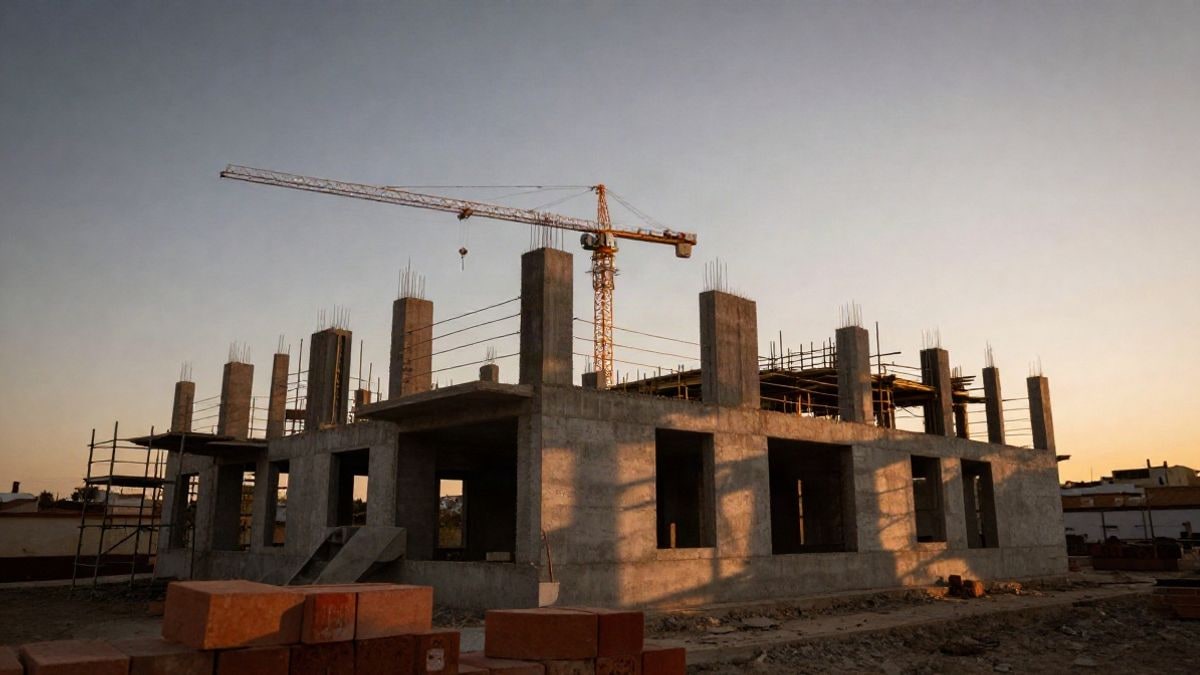
The rising cost of construction exacerbates the problem. Brussels warns that the increase in construction costs may further hinder residential investment, in a context of inflation and rising energy and material costs. This pressure reduces the margins for developers and may discourage new developments.
The Commission acknowledges a recent recovery in construction permits in Spain, although it does not expect this to quickly translate into more available housing. It can take between three and four years from the granting of a permit to the delivery of a property.
For the European Union as a whole, Brussels expects residential activity to remain virtually stagnant in 2026, with moderate improvement in the following two years. It cites high interest rates, a lack of skilled workers, and more restrictive financing conditions as causes.

You may also like