
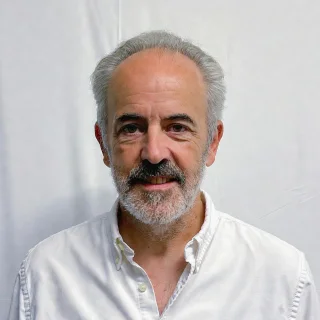
Economist Santiago Niño Becerra argues that GDP growth does not translate into improvements for households. 48.2% of the population reports difficulties in making ends meet.
According to La Razón, economist Santiago Niño Becerra has published an extensive analysis on X regarding a contradiction: Spain is growing economically, yet 48.2% of the population reports difficulties in making ends meet.
Niño Becerra points to the productive structure as one of the causes. According to his analysis, activities with medium and low added value predominate, with a high dependence on labour and little weight of capital, which keeps productivity low and limits the wages that companies can pay.
As an example, the economist cites tourism. In his thread, he states that 120 million tourists generate more GDP than 90 million, even though they spend less. The problem, he explains, is that a very small part of that income reaches those who work in the sector.
Niño Becerra also identifies the cost of living among the causes. He believes that competition in basic goods such as food or housing is limited or that supply is insufficient, which drives up final prices to a point that most wages cannot bear.
Regarding the minimum interprofessional wage (SMI), he acknowledges that it has risen significantly in recent years, but estimates that, in real euros, it has barely grown: €9.60 per year since 1999. He also reminds that the wage is applied in proportion to the hours worked.
The vulnerability data he collects are as follows: the poverty risk rate among employed individuals is 11.2%, rising to 32.8% among those living in rental accommodation and reaching 49.9% after paying rent. He adds tax fraud and evasion, which he estimates at 6% of GDP per year.
To compare general indicators with everyday life, the economist highlights that 36.4% of the population cannot afford an extraordinary expense or an unforeseen event. In his opinion, growth does not automatically translate into individual improvements: "at the micro, personal level, this does not translate into an individual improvement in the population's quality of life."
Niño Becerra predicts that the situation will not change, as capital and wealth tend to concentrate due to the increasing use of technology. He concludes his thread by criticising that these problems hardly appear in the campaign for the elections on 29 November.
You may also like