The Chamber of Commerce of Ceuta estimates direct losses from trade and the port at between €65.5 and €74.3 million in the first two months of the crisis. The damage amounts to between 3.53% and 4% of the city's annual GDP.
The Chamber of Commerce of Ceuta calculates that the migration crisis caused direct economic losses of between €65.5 and €74.3 million in the city's trade and port during the first two months.
This information, reported by El Mundo, comes from four reports that the Chamber has sent to Judge María Tardón of the National Court, who requested them on October 16. According to these estimates, the damage amounts to between 3.53% and 4% of Ceuta's annual GDP.
The first assessment, closed on August 31, estimates the damage at €33 million, divided into three blocks: €7 million due to the halt in activity between July 30 and August 1, €10.25 million from the cancellation of the patron saint festivities, scheduled from August 1 to 8 with 38 stalls and about 50 attractions, and €15.7 million for the rest of August.
The report is based on a survey of 302 companies, nearly one in ten active in the city. According to this data, trade generated 53% less revenue in August compared to a year earlier, and the hospitality sector saw a 50.7% decrease. Tourist cancellations exceeded 90%.
Hotels only lost half of their revenue because they occupied some of the rooms with agents, journalists, and officials dispatched due to the emergency. The Chamber warns that this occupancy:
cannot be interpreted as a recovery of tourism
The second assessment indicates that September was also not a month of normalisation. Excluding the port, business losses and the drop in consumption reached €18.6 million, with revenue declines of 50.9% in trade, 54.6% in hospitality, 62.9% in travel agencies, and nearly 75% in leisure.
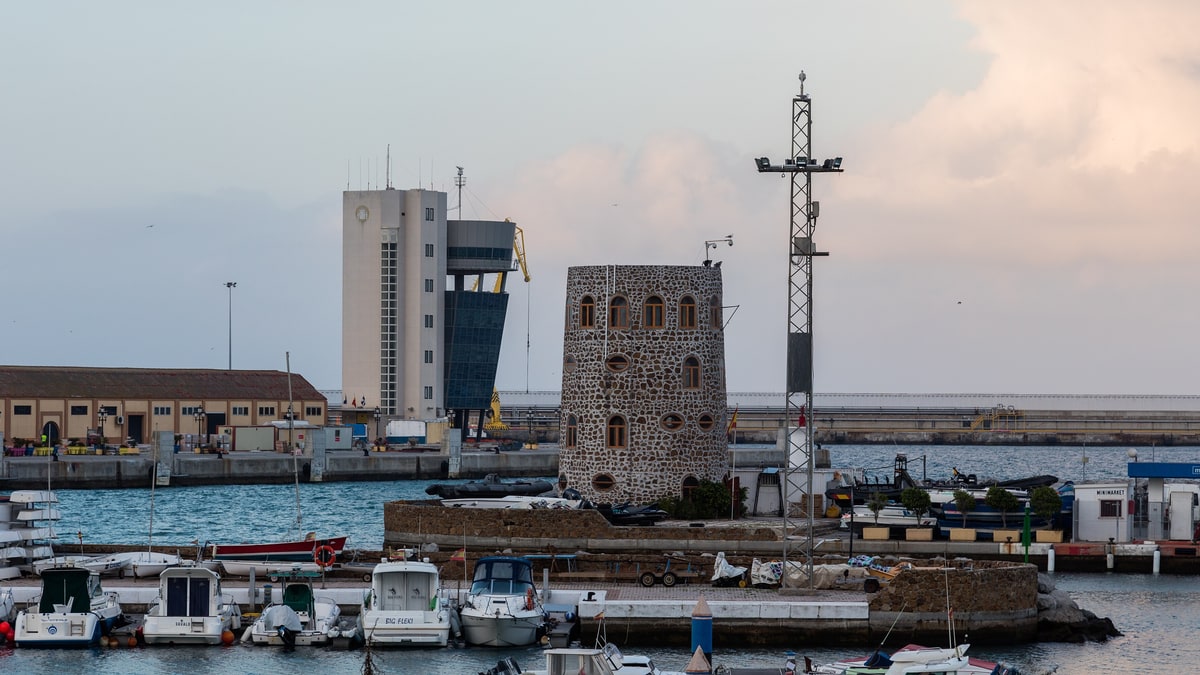
This figure is added to the port losses, which the report estimates at between €13.9 and €22.7 million. On September 8, the Interior Ministry raised the protection level of the port area to level 2, after authorising the use of about 16,000 square metres of land for a reception facility. That month, eight cruise stops scheduled for 2026 were cancelled.
The specific study on the port estimates that if level 2 is maintained until December 31, the direct impact will be between €53.6 and €88.9 million. This figure corresponds to a decline of 30% to 50% in exposed activity, especially the supply of fuel to ships. The Chamber warns of the risk that shipping companies and shipowners may relocate to Algeciras, Gibraltar, Tangier Med, or Cádiz.
In terms of employment, unemployment decreased in September, but the increase in affiliations was concentrated in security, cleaning, healthcare, and social services. Self-employed workers fell by nearly 10% in trade and 12% in transport compared to the previous year.
In addition to direct losses, the Chamber quantifies the damage to Ceuta's image at €170.1 million in August, a figure that rose to €198.41 million in September. The reports base this calculation on a deterioration of 60% and then 70% on an estimated value of the city's reputation.
These figures do not include the extraordinary expenditure of the Autonomous City for the reception of immigrants, which according to previously released estimates was around €80 million and could reach €153 million by the end of 2026.

You may also like