The PSOE includes in its programme for the general elections on 29 November an annual commitment of 1% of GDP for social housing and a state benefit for families. These are electoral proposals, not approved aids.
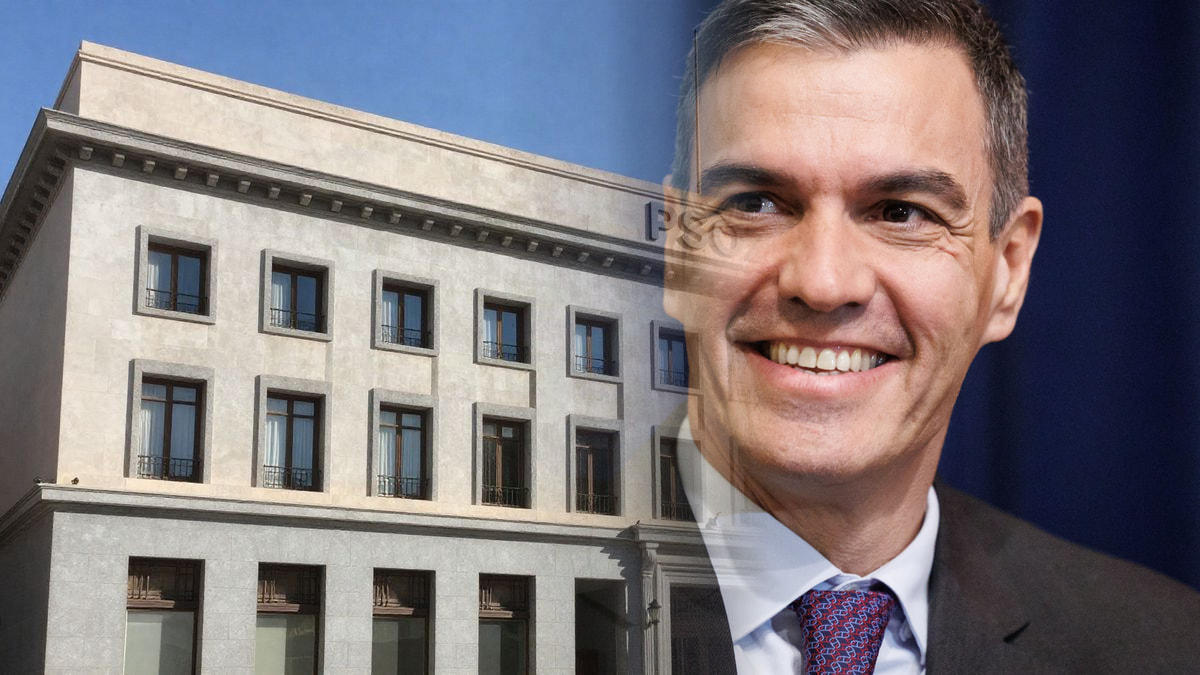
The PSOE includes in its electoral programme the commitment to dedicate 1% of GDP each year to social housing. According to directoriocubano.info, Pedro Sánchez presented these proposals on Sunday 15 November in Alcorcón (Madrid), ahead of the general elections on 29 November.
These are electoral commitments, not approved aids or benefits that families can apply for yet.
The plan aims to expand the public and protected housing stock over the next four years, with the goal of reaching a proportion close to 8%, which the party presents as a European reference.
It also includes a progressive tax for large property owners and funds with properties not intended for affordable residential rental. It would affect vacant homes, tourist apartments, and rentals that the proposal qualifies as abusive. Party sources assure that it will not affect small property owners.
With this taxation, the PSOE aims for these properties to transition to affordable rental. Sánchez defended during the rally increasing the tax burden on large property owners who maintain homes in these conditions.
The state benefit for families would be directed to all households with minors. It would have redistributive fiscal criteria and additional protection for low-income families, linked to the Child Benefit Supplement.
The proposal revives the universal aid of 200 euros per month for each child under 18 that was left pending during the legislature. That figure corresponds to the previous proposal and not to a monthly payment already recognised for families.
Separately, Sánchez announced a Social Security benefit for caring for children under eight years: four weeks at 100% of the regulatory base for parents. Unlike the general aid, this measure would compensate a period of care.
The programme also proposes to protect in the Constitution the revaluation of pensions and the right to abortion. Additionally, it would recognise in the Civil Code a "union of friendship" for people who decide to care for each other without being partners or relatives.
In energy, the party sets a goal for renewables to generate 81% of electricity by 2030, concentrating new wind and solar projects in areas compatible with biodiversity and agricultural activities.
You may also like