The National Federation of Self-Employed Associations estimates that 90% of the sector maintains its activity during the general strike. Its president denounces coercion in some businesses.
According to noticiastrabajo.es, Lorenzo Amor, president of ATA (National Federation of Self-Employed Associations), states that 90% of self-employed workers continue their activities during the general strike called by the unions and supported by the Government. The data corresponds to information collected until 10 in the morning.
“They are carrying out their activities with absolute normality.”
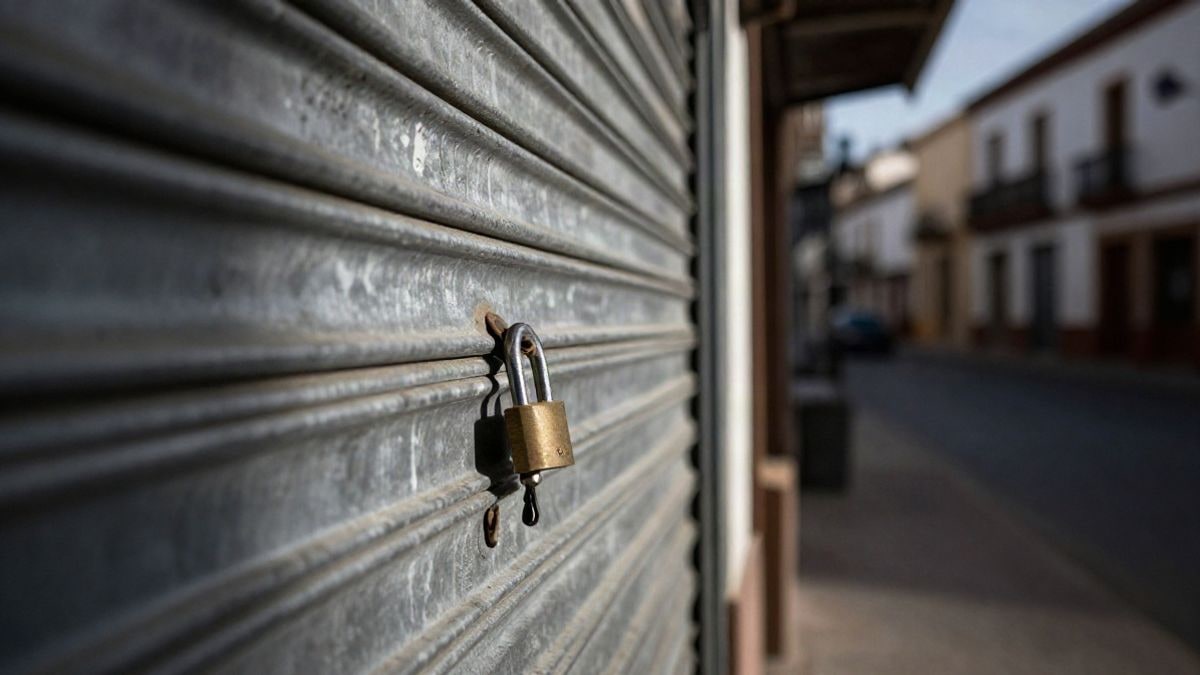
Amor acknowledges that 10% are not working, either because they have chosen to join the mobilisations or because they have been forced or coerced. He explains that some self-employed individuals have been prevented from opening their businesses by having silicone inserted into their locks.
“There is a 10% who are not working because they have decided to attend the mobilisations or simply because they have been forced or coerced.”
The president of ATA attributes these actions to the so-called “silicone gang,” which he accuses of acting against the self-employed and private property. He points out that incidents are concentrated in certain areas of large cities, while they are less frequent in small towns and suburbs.
For its part, the Union of Self-Employed Workers and Entrepreneurs (UATAE) has urged self-employed individuals to support the general strike, according to their own terms, depending on each person's circumstances. The organisation supports the mobilisations due to the rising cost of living and the difficulties in accessing decent housing. A survey conducted by UATAE indicates that 43% of self-employed workers allocate between a quarter and half of their income to rent their premises, and 47% consider this expense the main one in their activity.

You may also like