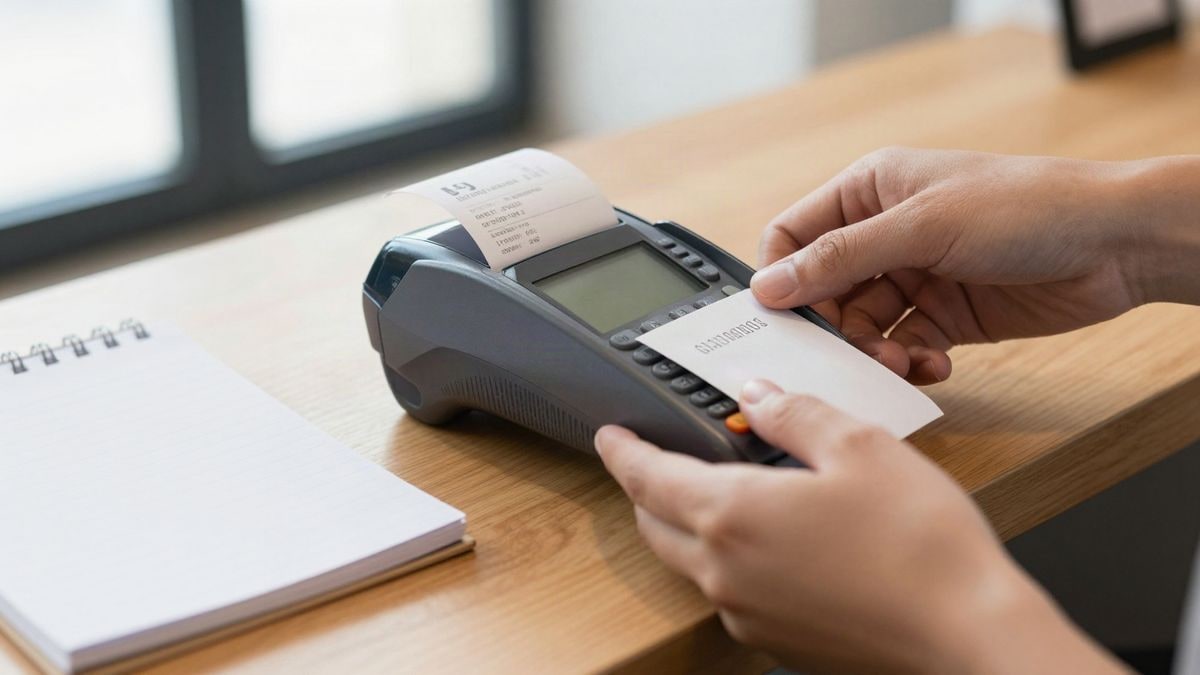
The Council of Ministers has approved a royal decree law that reduces the fractional payments of income tax and allows self-employed workers earning less than €85,000 to submit a single annual VAT declaration. The Treasury estimates that this measure will benefit around 1.1 million self-employed workers.
The Council of Ministers has approved a package of tax cuts for self-employed workers that will result in savings of €465 million, according to miracorredor.tv. The measures, included in a royal decree law, also aim to simplify tax obligations and improve the liquidity of self-employed workers.
According to the Ministry of Finance, the main reduction increases the deduction in income tax for provisions and expenses that are difficult to justify from 5% to 10%, and the limit rises from €2,000 to €3,000. This measure will apply to the 2026 tax year and will benefit 1.6 million self-employed workers, with an estimated saving of €362 million.
Taxpayers who are taxed by modules will also receive a reduction: the net yield for 2026 will decrease from 5% to 10% and reach 15% for agricultural activities. The Treasury estimates that one million taxpayers will benefit.
Self-employed workers and small businesses with a turnover of less than €85,000 will be able to voluntarily opt for a new regime that replaces quarterly VAT declarations with a single annual self-assessment. Instead of the current four self-assessments, they will need to make three advance payments in April, July, and October, each equivalent to a quarter of the annual declaration fee from the previous year. The Tax Agency will provide the amounts so that each self-employed worker can assess whether it is beneficial for them to opt in.
The Treasury estimates that around 1.1 million self-employed workers will be able to benefit from this change, which will provide an additional liquidity of €577 million.
For fractional payments of income tax based on direct estimation, self-employed workers earning less than €85,000 may be exempt when they meet the conditions regarding the differential fee of their last declaration. For example, someone who reported a negative result in 2025 because they had advanced more money than they were entitled to may be exempt from the fractional payments in 2027. For those who must continue paying and earn less than €250,000, the percentage will decrease from 20% to 19%.
Payments for 2027 can also be calculated based on the net yield of 2025 and the average general tax rate for that year. In this case, the Tax Agency will determine the amounts, and the taxpayer will be able to set them up for direct debit without submitting quarterly declarations.
The government also extends the exclusion limits of the module system, allowing those who earn less than €250,000 annually to remain in this regime, with a limit of €125,000 for transactions with other companies. According to the Treasury, more than 80,000 self-employed workers will maintain taxation by modules and the simplified VAT regime, resulting in savings of €411 million.
The Council of Ministers also postpones the implementation of Verifactu, the verifiable invoicing system for businesses and self-employed workers, until October 2028. The Treasury explains that this way, its implementation will coincide with the start of mandatory electronic invoicing for self-employed workers.
The royal decree law extends during 2027 the tax on the margin of interest and commissions of certain financial entities, known as the banking tax, which was initially set to apply until 2026. The revenue must be allocated to housing policies, and the income will continue to belong to the autonomous communities, although its distribution will be determined in the Sectoral Conference.

You may also like