Spain has allocated €12 billion this year to curb inflation, which is 0.7% of GDP, according to Bruegel. This is the highest figure in Europe, ahead of the United Kingdom and Germany.
Spain is the country in Europe that has spent the most to curb inflation this year, with €12 billion, or 0.7% of GDP. According to que.es, this figure comes from a calculation by the research centre Bruegel, based in Brussels.
The amount corresponds to three packages approved by the Government as a result of the Iran war. It doubles the expenditure of the second country on the list, the United Kingdom, with €6.6 billion up to 31 October, and nearly triples that of Germany, with €4.1 billion.
The trigger is the near-total closure of the Strait of Hormuz, which has reduced the supply of gas, oil, and electricity. Despite subsidies for energy and fertilizers, inflation in the European Union reached 4% in October, and in Spain, it was 4.9%.
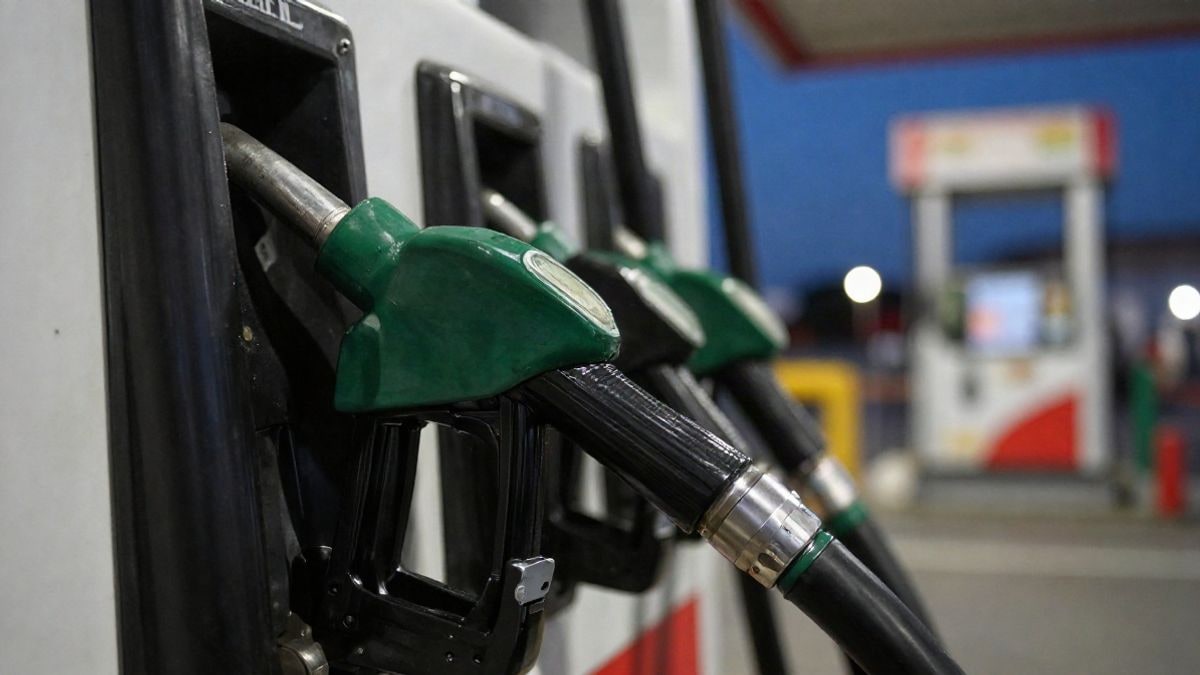
The largest outlay is the tax cuts on fuels: the reduction of the Special Hydrocarbons Tax (IEH) and VAT. Between 20 March and 30 September, they cost €2.148 billion, according to the Treasury. The VAT reduction ended on 30 June.
The IEH reduction remains in effect until 31 December, but with decreasing discounts: €0.20 per litre in October, €0.13 in November, and €0.06 in December. If the monthly CPI reaches 15%, the discount returns to €0.20.
Additionally, there are VAT reductions on electricity, gas, and pellets, as well as cuts to the Special Electricity Tax and the tax on electricity production. Up to 30 September, these resulted in €3.076 billion less in revenue, which is 1.24% of total collection.
The third package, finalised at the end of September, includes aid for fertilizers and professional fuels, reinforcement of the last resort gas tariff (TUR), social electricity and thermal vouchers, and an 80% discount on electricity tolls for energy-intensive industries.
The organisation Transport & Environment estimates that a petrol car spends €142 a month on energy, compared to €48 for an electric one. Its director in Spain, Isabell Büschel, believes that these funds should be directed to households and businesses most exposed to high prices.
From the association of service stations, Nacho Rabadán, director of the Spanish Confederation of Service Station Entrepreneurs (Ceees), argues that without the subsidies, fuel would be unaffordable for families and businesses.
For now, the cost falls on the taxpayer through lower tax revenues, although the Treasury maintains that total income has not fallen. The three packages cover until 31 December, and with the ongoing war, spending is expected to continue to grow in 2027.
The European Union and the United Kingdom have allocated €40.076 billion to ease inflation this year, according to Bruegel's calculations, and Spain contributes almost a third of that figure.

You may also like