The Bank of Spain still lacks sufficient information to assess the Government's housing measures. The agency led by José Luis Escrivá maintains a housing deficit of one million expected by 2028 and warns that supply takes time to respond to demand.
The Bank of Spain will analyse the impact of the housing decrees approved by the Government. This was announced by the agency's Director General of Economics, David López Salido, during the presentation of new economic projections, as reported by fuentesinformadas.com. The agency chaired by José Luis Escrivá still does not have enough information for an initial evaluation of the measures.
The analysis will focus on the implications for the rental and housing market, as well as the consequences that the regulations would have on public financing and public spending.
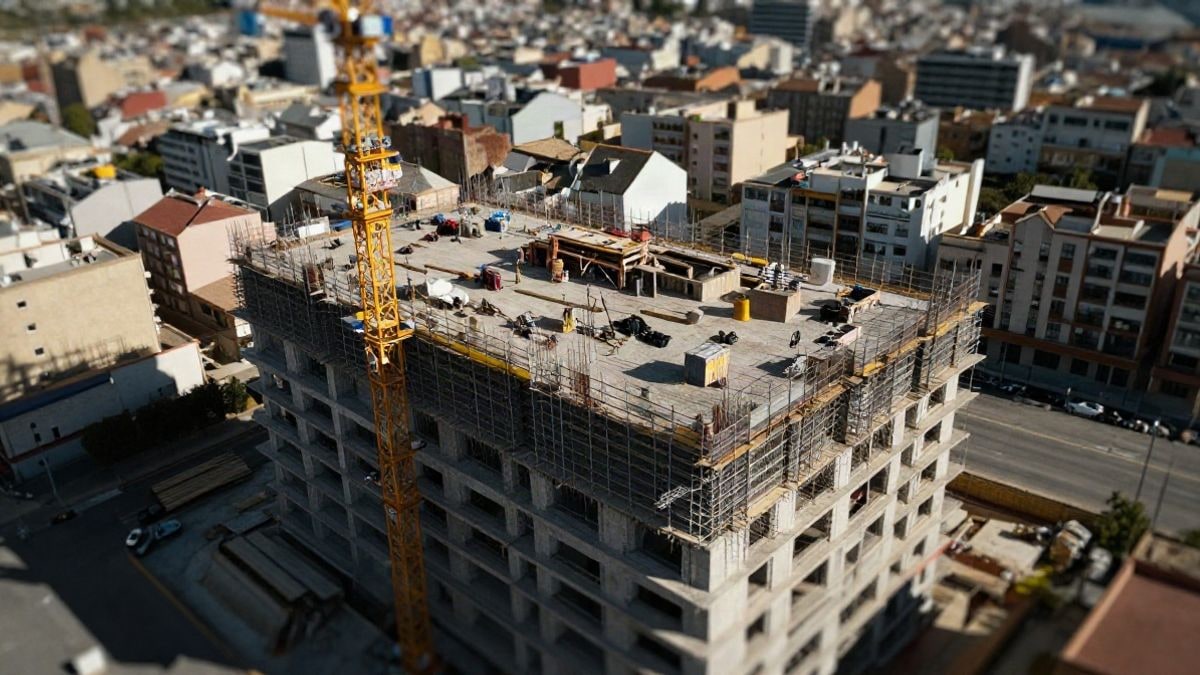
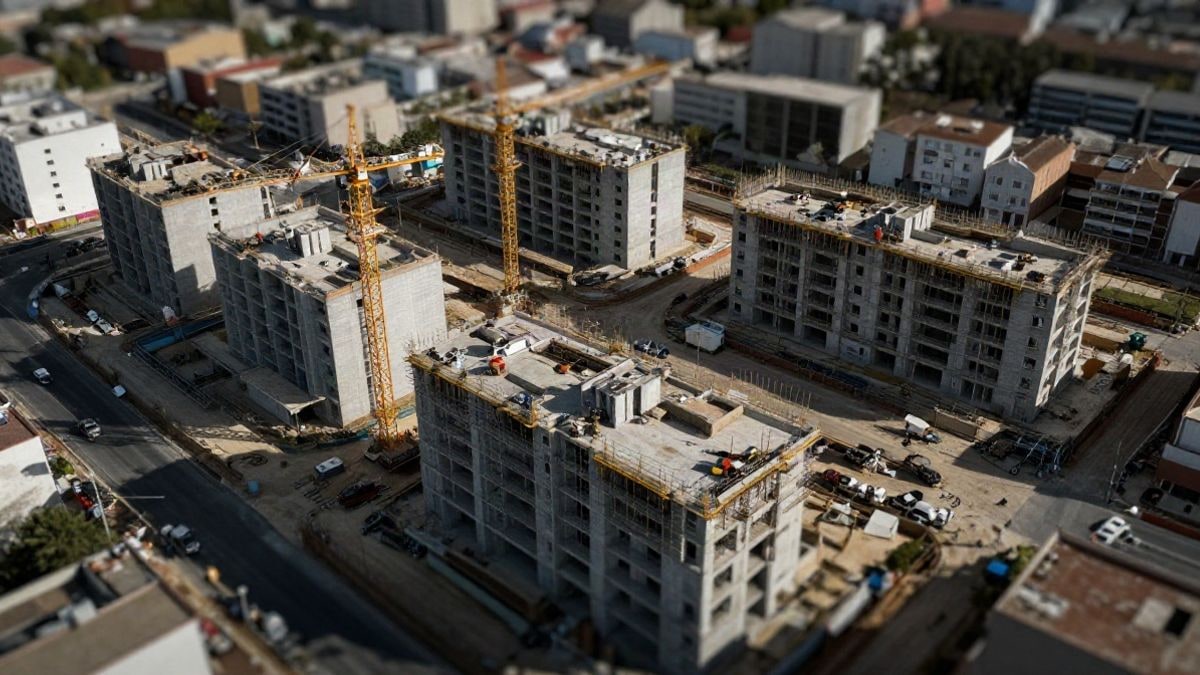
In parallel, the Bank of Spain maintains its estimate of a deficit of one million homes by 2028. Investment in housing is one of the factors that will condition activity in the coming quarters, according to the report. In recent years, residential construction has not grown at the pace of demand, driven by a strong net creation of households, which has contributed to a notable increase in real housing prices.
The agency expects residential investment to gradually increase. It acknowledges, however, that supply has reacted less than expected due to a shortage of labour, rising construction costs, and difficulties in urban developments.
In its central scenario, the Bank of Spain anticipates stable growth in residential investment, consistent with new building permits and other market indicators. This progress could be more dynamic if the private sector and public protected housing programmes accelerate construction. In 2026, however, progress is more moderate due to fewer permits, a decline in completed homes, rising costs, and difficulties in accessing the electrical grid.
For 2027, the increase in homes started since 2024 and new bank financing points to greater activity. However, structural limits persist: lack of labour, slow urban planning, and land scarcity.
The Bank of Spain estimates that completed free homes grow each year by around 90,000-100,000, a stagnant figure. Homes started range between 80,000 and 120,000.
You may also like