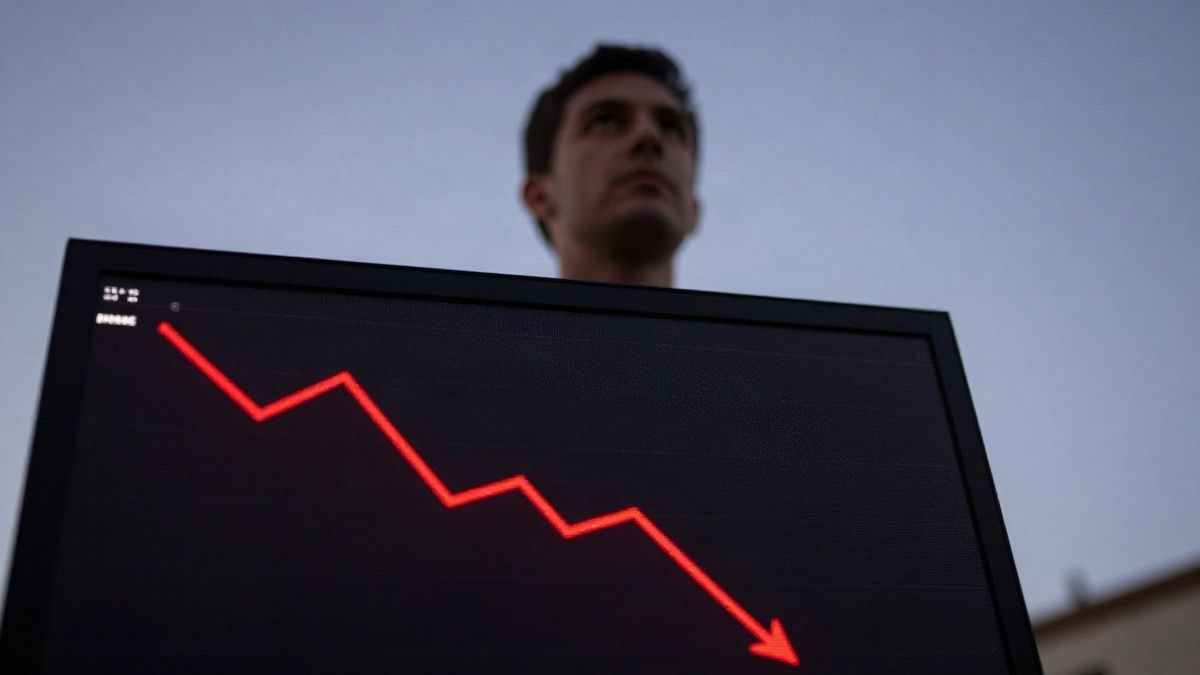
The Ibex 35 has lost the 19,000 points after falling nearly 3% in October. Analysts see it increasingly unlikely to reach 20,000 points before the end of the year.
According to the analysis published on eldecanodeguadalajara.com, the Ibex 35 has closed the week below 19,000 points and has accumulated a drop of nearly 3% in October. The Federal Reserve and the European Central Bank maintained their interest rates following the recent tightening of their monetary policy.
The first results of the new campaign have been mixed, especially in banking. This has raised doubts about the ability of most Spanish companies to sustain their profits in a complicated geopolitical and economic environment.
The analysis notes that energy prices are rising more due to the difficulty in producing diesel than due to a lack of oil, while oil companies seek ways to circumvent the blockade of the Strait of Hormuz. This pressure fuels the acceleration of inflation in the global equity market.
US Treasury bonds have acted as a safe haven asset, with a strong dollar. The euro, on the other hand, has weakened due to the widening of French debt spreads amid a serious social conflict.
According to experts from DWS, the S&P 500 usually shows some weakness in the months leading up to the midterm elections in the United States and recovers during the following year. However, the returns in the twelve months following each election vary greatly, making the average an unreliable guide.
This same entity indicates that, since 1953, the average annual returns of the S&P 500 have been positive with all combinations of Congressional control, although they were higher when the Republicans controlled at least one of the chambers. The sample is small, as the analysts themselves warn.
For investors, the key is to distinguish between the effects on the overall market and those affecting each company. Changes in tariffs, regulation, or the environment of artificial intelligence infrastructure may weigh more on certain sectors than the election result itself.
As for developed regions, the US market remains the preferred choice for investors, alongside Japan, while eurozone equities lose appeal.
In the short term, the recovery of 20,000 points by the end of the year seems increasingly unlikely, even with the traditional Christmas rally. Investors would be satisfied if the Ibex 35 closes the year with a return of 10%.

You may also like