
Economy
Inflation in Spain rises to 4.9% and is now the second highest in the eurozone
Prices rose by 4.9% year-on-year in October, compared to 4% in the eurozone. Only Italy exceeds Spain among the four largest eurozone economies.
Latest Eurostat news
26 articles

Bundesbank supports raising rates from 2.5% to 2.75% at the ECB meeting on December 17, with a market probability close to 90%.
Prices rose by 4.9% year-on-year in October, compared to 4% in the eurozone. Only Italy exceeds Spain among the four largest eurozone economies.

Housing prices in Spain rose over 12% in Q2 2026, according to Eurostat, compared to 5% in the EU. Only Portugal exceeds this increase in Europe this year.
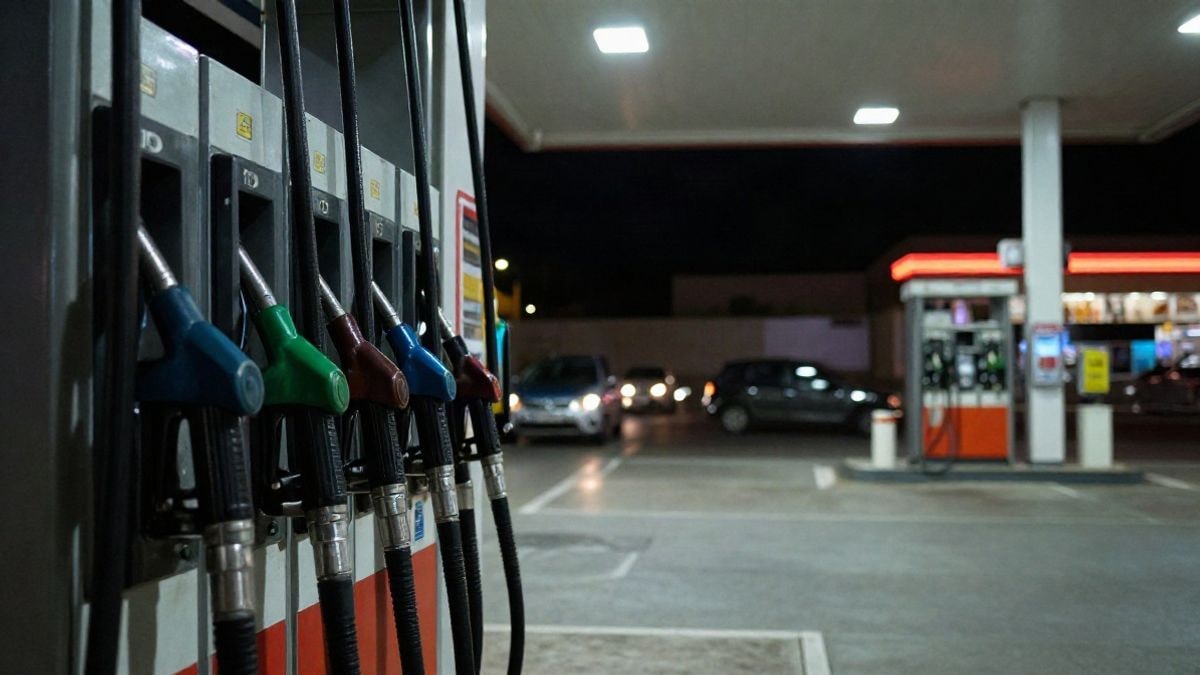
Inflation in Spain remains at 4.9% in October, compared to 4% in the Eurozone, with energy prices rising by 20.8% across Europe.

Extremadura has a 29.3% youth unemployment rate, the highest in EU regions excluding atypical ones. Young women reach 33.9%, according to Eurostat.

Ibex 35 drops to 19,172 points, its lowest since November 4, with Inditex (-3.93%) and Telefónica (-3.02%) as the main drags.

Spain's public debt is 101.4% of GDP, about 11 points higher than the eurozone average, ranking fifth among the most indebted EU countries.

GDP summarises the value of goods and services produced by a country over a specific period. We explain what it measures, how it is calculated, and why its variants matter.

The Eurozone's GDP grew by 0.4% in the third quarter, double the forecast, although it slowed from 0.6% previously.

Property prices rise by 11.6% in Spain's ten cheapest provinces, compared to 9.1% in the most expensive ones, according to RealAdvisor.

ECB maintains rates at 2.5% after hikes in June and September, with eurozone inflation at 3.8% and energy as the main pressure.

The ECB will likely keep rates unchanged on October 29, but markets are pricing in a 25 basis point hike in December.