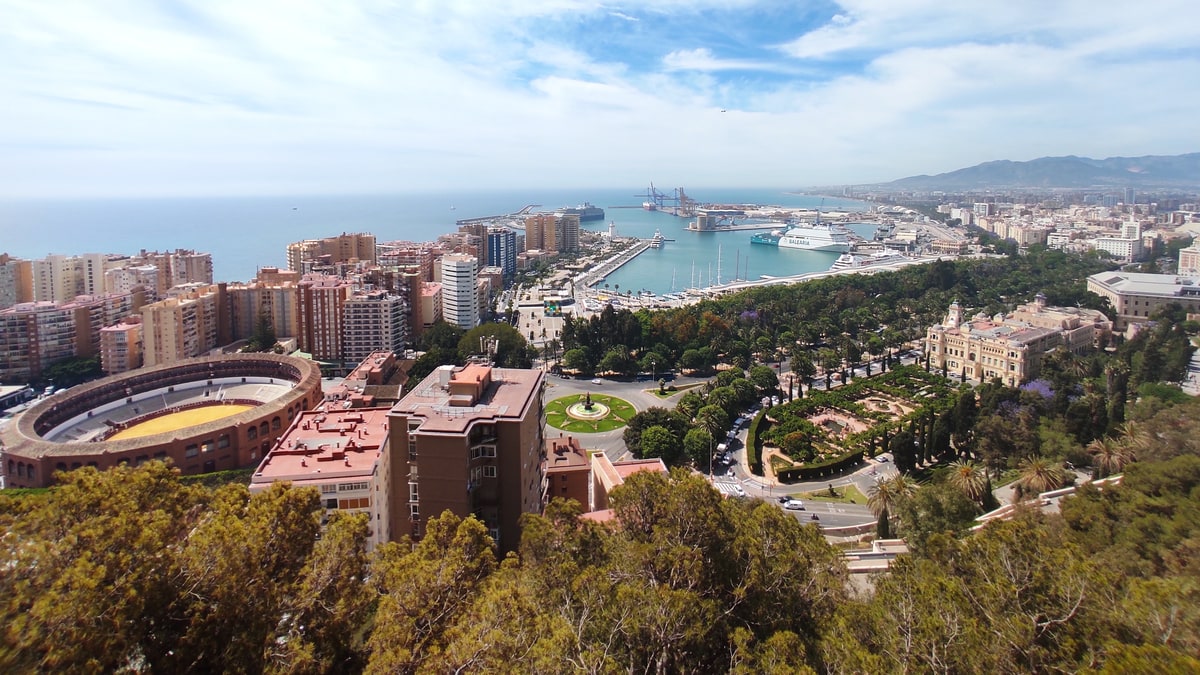
e-distribución, the network subsidiary of Endesa, recorded more than 3,900 electrical frauds in Málaga between January and October 2026. The stolen energy amounts to 33 million kWh.
According to ecosistemastartup.com, e-distribución, the network subsidiary of Endesa, detected over 3,900 electrical frauds in the province of Málaga between January and October 2026, about 13 a day. The associated energy totals 33 million kWh, equivalent to the consumption of more than 9,500 homes.
The fraud has ceased to be a home connection. According to the company, these are now larger scale operations that consume network capacity, cause outages, and harm customers who pay their bills.
Between January and October, e-distribución dismantled 43 frauds linked to marijuana plantations together with the security forces. These cases account for 4.5 million kWh, or 14% of the energy defrauded in the province. Although they represent 1% of the cases, each defrauds about 105,000 kWh, compared to nearly 7,400 kWh for the rest. The company estimates that a plantation consumes the same as 80 homes.
According to the company, its smart meters and network sensors generate data that machine learning and deep learning models analyse to detect abnormal consumption. The AI finds theft in one in every two inspections, double that of 2017.
Between January and September, e-distribución received 51,010 citizen reports across Spain, leading to nearly 29,000 inspections. Since 2025, the company has also operated under a collaboration protocol with the National Police.
In the neighbourhood of La Palma-Palmilla, the company intervened on June 30 and on July 7 and 15 alongside the Police, and 78% of what was inspected turned out to be fraud. Afterwards, third parties manipulated the network to reconnect, and a dozen houses on Doctor Gálvez Moll street went almost three days without power. FACUA and Con Málaga claim that the operations criminalise the entire neighbourhood, while Endesa maintains that the risk of electrocution and fire justifies action.
An illegal connection overloads the network and triggers protections. In the most affected areas of Málaga, up to 15 fuses can blow per day, cutting power to all customers in the section, almost all of whom have contracts. According to the company, increasing the contracted power does not solve the problem, as illegal consumption saturates the network again.
Assaults on e-distribución technicians and their contractors have more than tripled since 2024, and this year they exceed by nearly 20% the total recorded in all of 2025.
In Andalusia, the company detected over 35,700 frauds by October, recovering 281 million kWh, according to Ideal. In Huelva, there were more than 3,400 cases and 31 million kWh, according to Huelva Información. In Córdoba, over 3,000 cases and 20 million kWh, according to Córdoba Hoy.
On a network-wide scale, Merca2 reports 56,300 cases between January and September 2026, a 3.4% increase compared to the same period in 2025, with 630.6 million kWh recovered.
Article 255 of the Penal Code punishes electrical fraud with a fine of 3 to 12 months, and 1 to 3 months if the amount does not exceed 400 euros. The Organic Law 1/2026 adds a new section effective from April 10 that imposes imprisonment of 6 to 18 months or a fine of 12 to 24 months for connections supplying installations under Article 368, regardless of the amount. The law does not have retroactive effect.

You may also like