The Dutch producer Sikkert Berry's acquires Kwekerij de Westerbouwing and takes control of the multiplication of berry varieties. The operation increases its area from 19 to 29 hectares.
The Dutch berry producer Sikkert Berry's has acquired the multiplication company Kwekerij de Westerbouwing, based in Rossum (Netherlands), as reported by freshplaza.es. The operation turns the company into a vertically integrated player, from the production of cuttings to the final fruit.
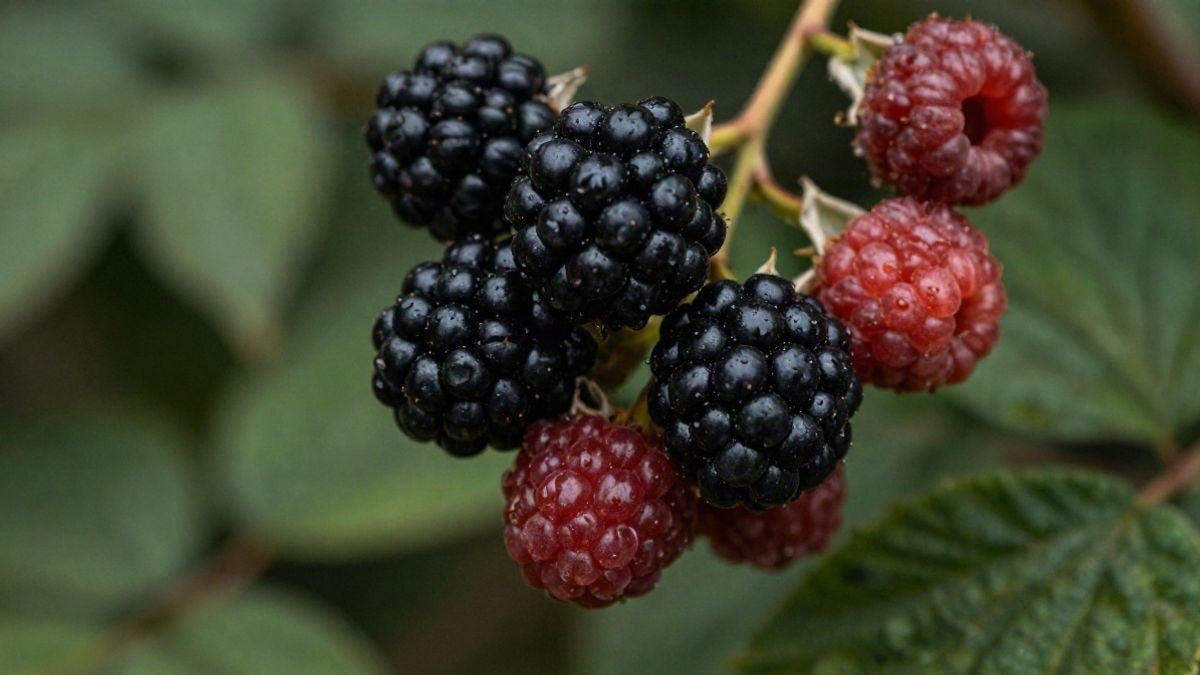
Kwekerij de Westerbouwing holds multiplication licenses for berry varieties from Advanced Berry Breeding (ABB) and the Loch Katrine blackberry. Its owner, Geert de Weert, is known for developing the Kwanza raspberry and for multiplying the Mailaka and Neema varieties. Sikkert Berry's now takes full management of the business, including nursery activities, the trial field, and staff.
The acquired operation has approximately 5 hectares for plant production and nearly 1.5 hectares of plastic greenhouses. Geert de Weert, aged 63, explains that the sale is a personal decision:
“I am 63 years old, and we have lived through a very busy time during which we have developed extensive international activities. I sometimes joke that we have led a double life. Therefore, after much reflection, my wife and I decided to sell the company.”
The founder details the alternatives he considered: “Either you put a 'for sale' sign on the door, or you opt for the VAB plan, as many producers in the area have done, to give the land a new function, or you find out if any colleague in the sector has the possibility to expand their plant production. The latter is undoubtedly the best option, as it allows the staff to continue working for the company and the knowledge is not lost.”
Aart van Wijk, responsible for Sikkert Berry's, highlights the value of the Loch Katrine blackberry license from the James Hutton Institute: “This is something we are very pleased with because it is a highly valued variety at auction. We have the right to multiply it, and we can supply both cuttings and stems. Additionally, we will cultivate the Loch Katrine ourselves in part of the greenhouse.”
The company will maintain the ABB variety trial field so that producers can compare materials. Van Wijk adds that they will also be able to multiply other varieties of blackberries and raspberries on demand. “For us, this is a perfect complement, as we have everything under control, from the cutting to the fruit, for both blackberries and raspberries. We grow red currants outdoors, so we do not need to take on any propagation activities for them.”
The acquisition will also allow for better distribution of the workload among the different locations. Sikkert Berry's has a stable workforce of around 100 people during peak activity, and the nursery is situated among the other operations and on the way to the auction.
With this operation, the total area of Sikkert Berry's increases from 19 to 29 hectares. The company adds 2 hectares of red currants, half a hectare of strawberries in greenhouses, and the neighbour's land with 1 hectare of red currants. “It’s a significant leap, but the advantage is that we are not starting from scratch,” notes Van Wijk.
For customers, the company assures that there will be no operational changes: Kwekerij de Westerbouwing retains its name and staff, and customers will continue to go to De Westerbouwing for cuttings and plants, and to Sikkert Berry's for the fruit.

You may also like