Experts in geopolitics and business discuss in Madrid how the new world order is driving up energy costs, straining trade routes, and forcing Spanish companies to redefine suppliers and markets.
Geopolitics is no longer a matter reserved for foreign ministries. Decisions made thousands of kilometres away affect energy prices, the availability of raw materials, and the security of trade routes on which Spanish companies depend. This was analysed by Paula Ceballos, political analyst at the European Commission Representation in Spain; Alicia Martín, general director of Plastics Europe in the Iberian region, and Francisco García Gómez de Mercado, partner at Auren Legal, during a meeting held at the Prensa Ibérica headquarters in Madrid, as reported by Levante-EMV.
The panel, titled The new geopolitical board and its implications for Spanish business and industry, was moderated by journalist Isabel Benítez and organised by EL PERIÓDICO, El Periódico de España, and ‘activos’, with sponsorship from Plastics Europe and Auren. The speakers agreed that the impact is already evident in the balance sheets: rising costs, logistical delays, new trade restrictions, and the need to seek alternative suppliers.
“The main vulnerability we are seeing is the loss of industrial capacity”
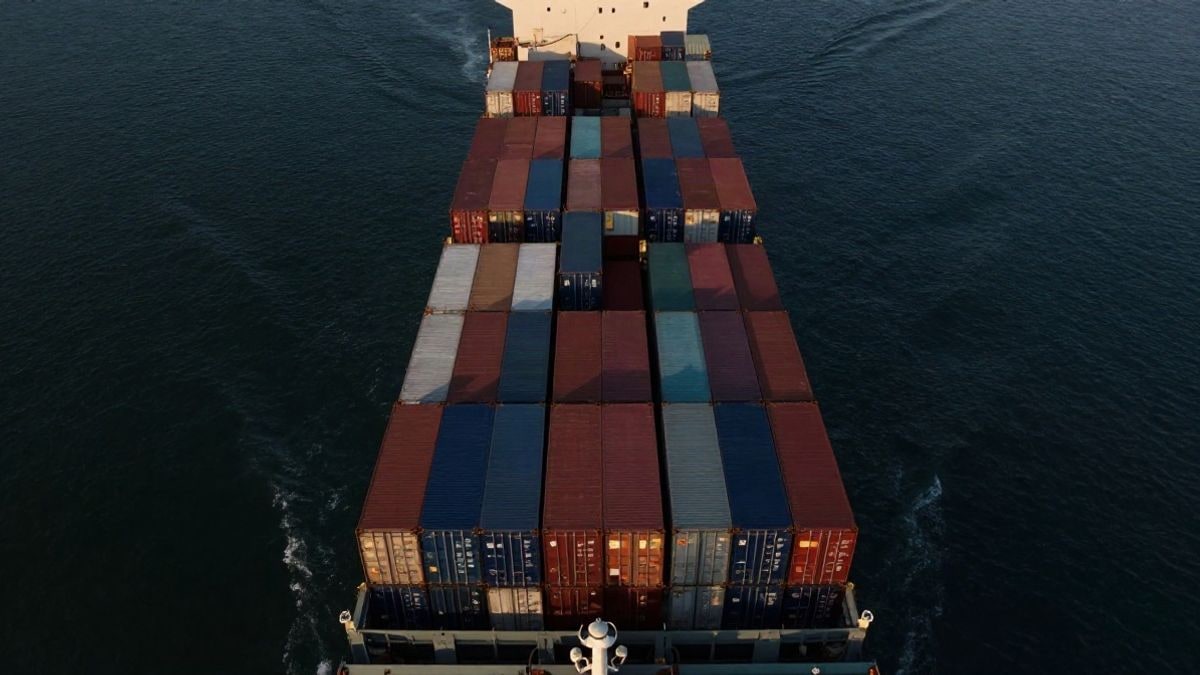
According to García Gómez de Mercado, the current context differs from previous decades. China holds a dominant trade position, Russia maintains its geopolitical weight, and the relationship between the United States and the European Union is fracturing. The Auren Legal partner noted that his clients are already perceiving this concern, although exposure varies by sector: it affects more strongly those activities linked to fuels and businesses that depend on vulnerable routes such as the Strait of Hormuz, the Red Sea, and the Strait of Bab el-Mandeb.
Another challenge is selling in markets subject to tariff changes, such as the USA, China, and the European Union itself, at a time when the trade war from the White House enters its second year. According to the lawyer, information now moves at the speed of a tweet, adding volatility to business decisions.
The general director of Plastics Europe in the Iberian region highlighted the loss of productive weight in Europe. The European share of global plastic raw material production fell from 22% to 12% in 2024, while other regions accelerated their activity. This loss, she warned, impacts the entire value chain and increases Brussels' dependence on external markets.
Martín reminded that plastics are not only used for packaging: they are also inputs in the manufacturing of cars, renewables, and technologies related to defence. Europe's difficulty in maintaining its production could hinder these industries in a changing international landscape. The executive linked this loss of competitiveness to rising energy costs and the volatility of the European energy system, as the production of these raw materials consumes a lot of energy.
The meeting left a practical message for Spanish companies: review exposure to critical routes and supplies, diversify suppliers, and anticipate tariff changes. The event, organised by the media of the Prensa Ibérica group, took place in Madrid and brought together representatives from the community, industrial, and legal sectors.

You may also like