House prices in Spain have increased by 74% since June 2018 and rents by 45%, according to real estate market data. The rental supply has decreased by almost 393,000 listings.
The Spanish real estate market has experienced a significant increase in costs since June 2018, when Pedro Sánchez took office. According to data compiled by elEconomista, the average advertised price of second-hand housing has risen from €1,680 per square metre to €2,930 in September 2026, representing a 74% increase. During the same period, residential rents have risen by 45%, from €10.4 per square metre per month to €15.1.
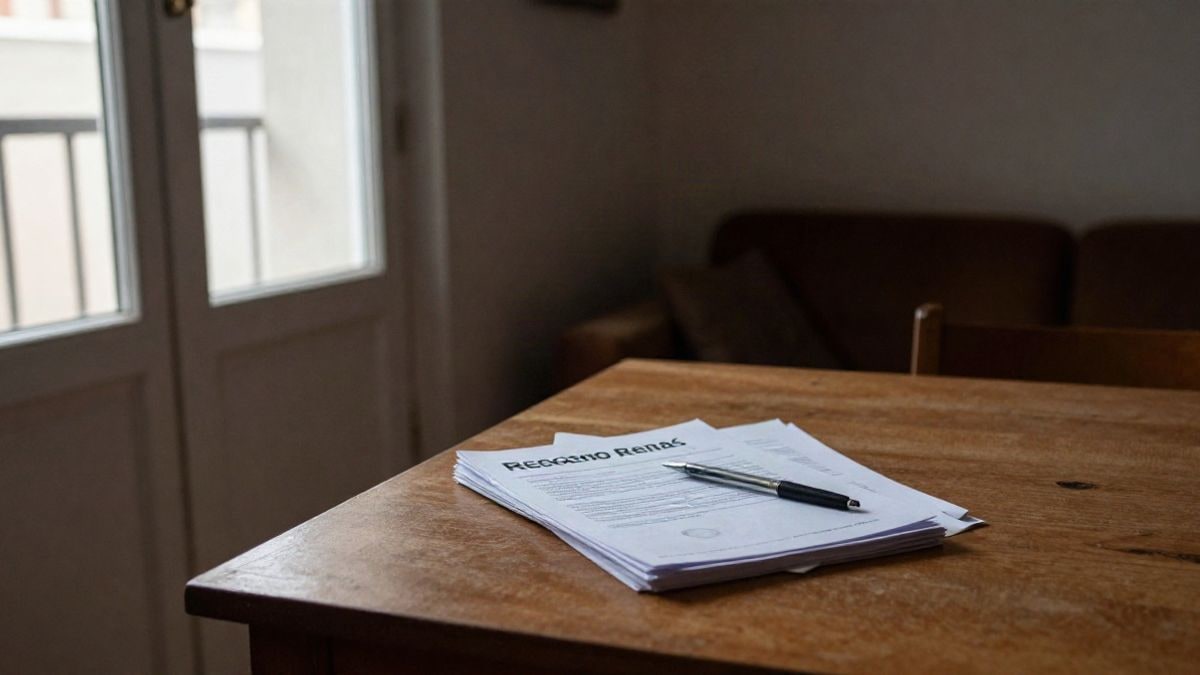
The information, published by labandera.es, indicates that this increase coincides with a reduction in the supply of rental housing. In 2018, there were 902,664 permanent rental listings, while in 2025 the figure dropped to 510,091, representing a decline of 392,573 listings, a 43.5% decrease. The reduction has been particularly pronounced in Madrid and Catalonia; in Barcelona city, permanent rental listings have fallen by 83%.
Population growth has further strained the market. Spain's population has increased from 46.7 million inhabitants in 2018 to nearly 50 million in 2026, with the creation of 1.34 million new households. The immigrant population has risen from 6.3 million to 10.3 million during the same period. This increase in demand has not been matched by an equivalent rise in residential construction.
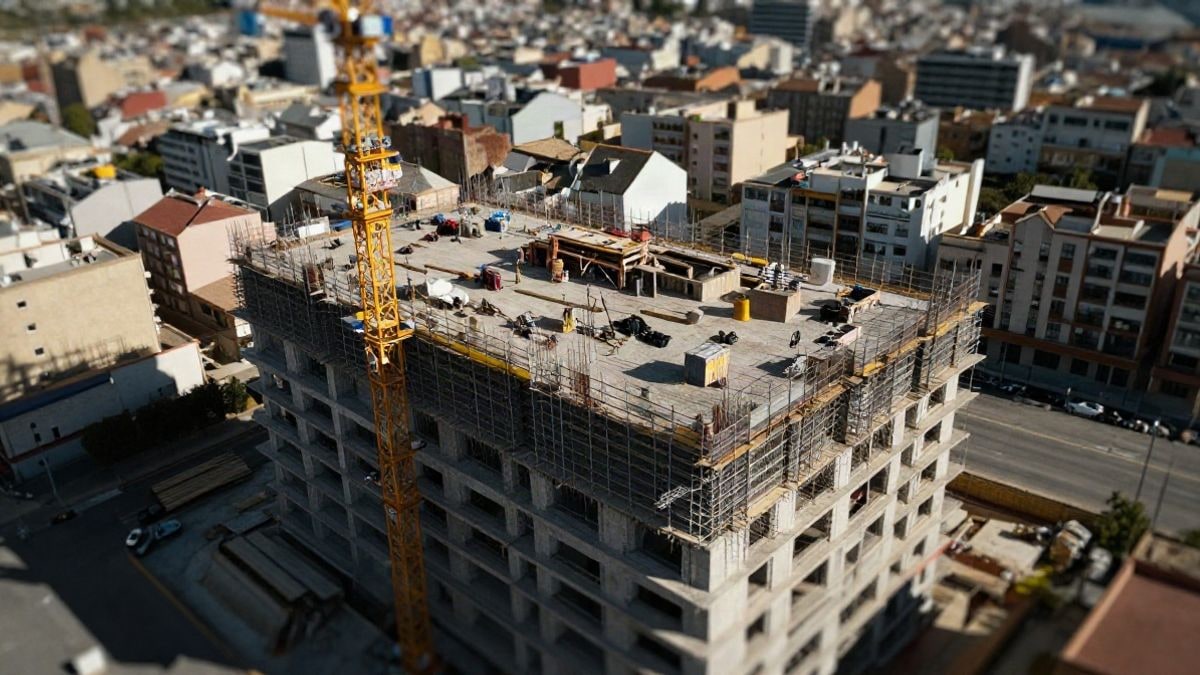
The Bank of Spain estimates that between 2021 and 2025, there was a deficit of 750,000 homes between the new households created and the homes completed. The regulator attributes this shortage to a lack of available land, the slow pace of urban planning procedures, and the capacity limitations of some developers.
The activity of buying and selling has also grown. In 2018, there were 515,051 real estate transactions, compared to 714,237 in 2025, a 39% increase. Most correspond to used housing: 558,327 second-hand sales in 2025, compared to 155,910 new builds.
During these eight years, Sánchez's government has approved the Housing Law and other measures to intervene in the rental market. Data shows that despite these policies, prices and supply shortages continue to rise.

You may also like