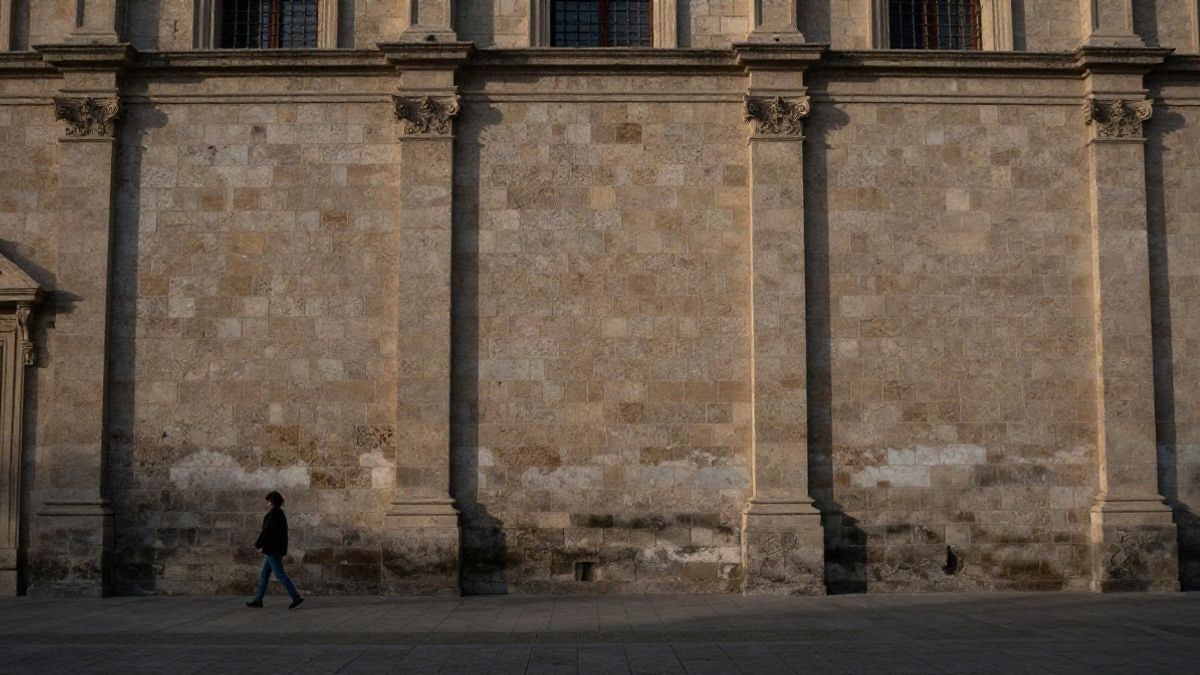
The Government approves a protocol to convert the former Bank of Spain in Tarragona into a Parador. The building, from 1928 and municipal property since 2010, is listed as a local cultural heritage site.
The Government of the Generalitat has approved on Tuesday to promote the opening of a Parador in the former building of the Bank of Spain in Tarragona, located at the junction of Rambla Nova and Pau Casals Avenue, as reported by elliberal.cat. The Executive Council has authorised the signing of a protocol of intentions that will establish the framework for collaboration between the involved administrations and organisations.
The project aims to expand the quality hotel offer in Tarragona and recover a unique property for tourism use. The initiative will be jointly developed by the Generalitat, the Central Government, the Tarragona City Council, Turespaña, and Paradores.
"The future Parador would allow the recovery of the former Bank of Spain for tourism activity through a project that would combine heritage, culture, and accommodation"
The building was constructed in 1928 and is listed as a local cultural heritage site. It has been municipal property since 2010 and currently has the status of public domain and public service intended for cultural and administrative facilities.
The protocol includes the creation of a monitoring committee that will promote and coordinate the actions. It will be composed of representatives from the Ministry of Industry and Tourism, the General Directorate of Tourism of the Generalitat, the Tarragona City Council, Paradores de Turismo de España, and Turespaña. The City Council will assume the presidency and the secretariat, and the committee will meet regularly every six months.
The proposal is framed within the heritage appeal of Tarragona, whose archaeological site of Tarraco was declared World Heritage by UNESCO in 2000. The administrations consider it necessary to continue improving the tourist and accommodation offer of the city.
The Generalitat maintains that the establishment of a Parador could attract higher-value tourism, expand the quality hotel offer, and strengthen the relationship between tourism activity and cultural heritage. The project could also generate new economic activity and contribute to the creation of quality jobs.
The next step will be the establishment of the monitoring committee, which will meet every six months to coordinate actions and advance the future Parador.
You may also like