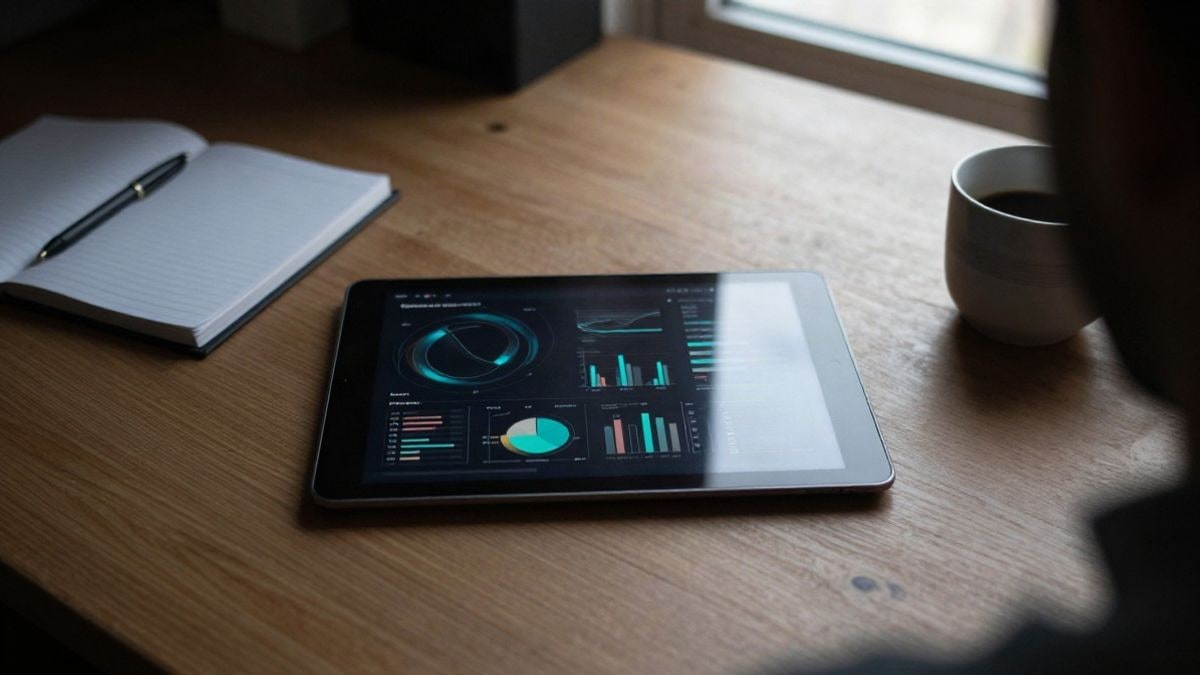
Vodafone Empresas has organised a series of meetings with clients in Madrid, Barcelona, Valencia, Valladolid, Bilbao, and Almería. The sessions focus on automating tasks with everyday tools.
According to Ecosistema Startup, Vodafone Empresas has launched a series of meetings with business clients in Madrid, Barcelona, Valencia, Valladolid, Bilbao, and Almería. The aim is to move from demonstration to real use cases, without selling licenses.
The sessions focus on Outlook, Teams, Word, and Excel, programs that most teams use daily. They demonstrate ways to automate tasks and processes using advanced artificial intelligence capabilities.
“With these meetings, we want to bring our clients concrete use cases that help them gain productivity, automate processes, and make quicker decisions, always with the utmost guarantees of security and data protection.”
This is explained by Carlos Becker, marketing and business development director at Vodafone Empresas. The company describes the next step as automation, where systems execute tasks instead of just drafting, summarising, or responding.
Pablo Soto, director of Innovation and AI at Vodafone Empresas, distinguishes between automating a task and transforming a complete process. An assistant that drafts an email saves minutes, while an agent that collects data from various systems, detects an incident, and acts on it modifies the cost structure of an area.
The IndesIA 2026 Barometer, which analysed 131,554 Spanish SMEs, places the identifiable use of artificial intelligence at 4.1%, double that of 2024 (2.1%). By size, medium-sized companies reach 6.5%, small ones 5.1%, and microenterprises 3.6%. By region, Madrid leads with 6.3%, while Castilla-La Mancha lags behind at 1.7%.
The same barometer associates the use of AI with a sales growth of 7.25%, compared to 4.34% for SMEs that do not use it. This is an association, not a cause-and-effect relationship.
Another study, the Emprende 2026 Report by Holded, raises the figure to 31% of SMEs already using AI, and calculates an average saving of 13.3 hours per week among those who use it. The difference is due to the methodology: the barometer measures detectable signs of use, while Holded directly asks entrepreneurs.
In Holded's report, 37% of those already using AI cite cost as the main obstacle, and 28.6% mention lack of knowledge.

You may also like