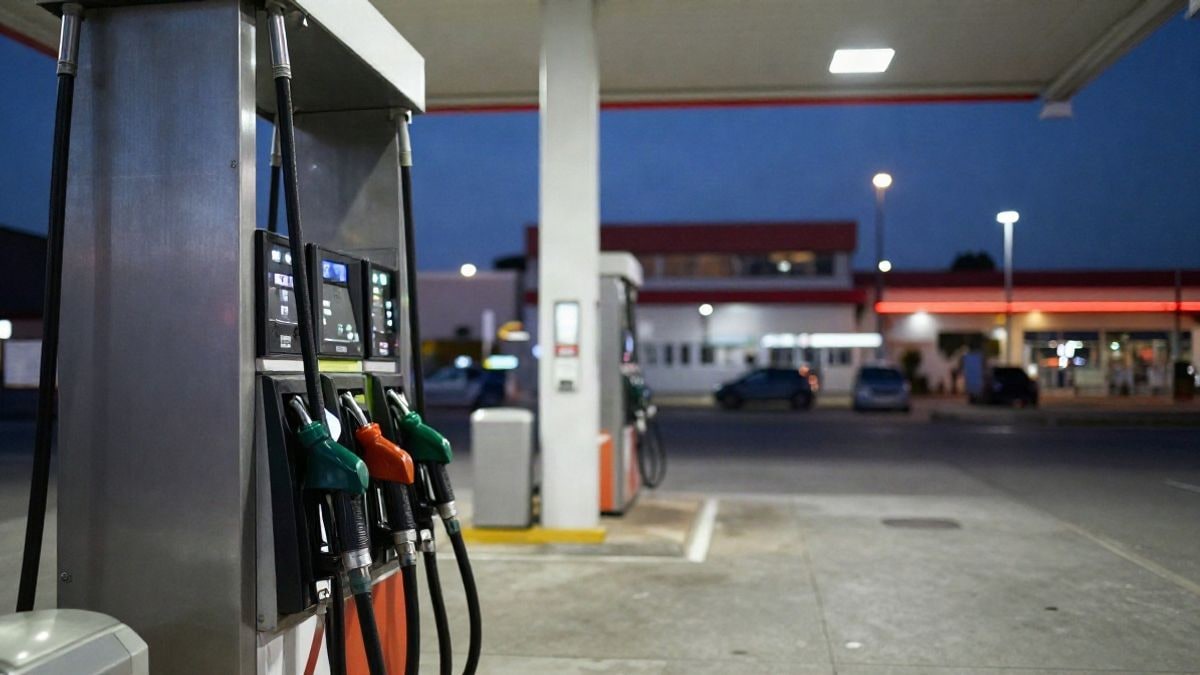
From April 24, 2026, Mexican fuel stations must include the Hydrocarbons Concept Complement v1.0 in each CFDI for fuel sales. Without this node, the receipt cannot be stamped and the station cannot bill.
The Tax Administration Service (SAT) of Mexico has made fuel traceability a technical billing requirement. From April 24, 2026, fuel stations, distributors, and permit holders must include the Hydrocarbons Concept Complement v1.0 in each CFDI that records the sale of regular gasoline, premium gasoline, or diesel. Without that node, the receipt cannot be stamped, according to ecosistemastartup.com.
This measure is not cosmetic. The Certified Provider (PAC) validates in real-time that the taxpayer's permit appears on the L_CNE list that the National Energy Commission updates daily. If the permit is expired, suspended, or incorrectly entered, the system rejects the stamping, and the service station can no longer bill for any fuel sales.
For a fuel station that moves thousands of litres a day, an error in the permit number is an operational halt, not a minor observation. Leaving fiscal operations to spreadsheets or manual entries is no longer an option.
What the Hydrocarbons Concept Complement Requires
Unlike most CFDI complements, which operate at the level of the complete receipt, this one works at the level of each billed item. Each line of gasoline or diesel on the invoice must report five technical attributes: Version (always "1.0"), TipoPermiso (classification of the CNE permit according to the activity), NumeroPermiso (current number on the L_CNE list), ClaveHYP (SAT catalog key for gasoline or diesel), and SubProductoHYP (specific subproduct within the catalog).
The product developer at Intelisis, Luis Cristino, summarises it this way:
"The traceability of the operation becomes a central element of compliance. What the authority requests is that the volumetric control matches the inventory, sales, and CFDI data".
For companies with their own fleets (cargo transport, logistics, services), the risk is the opposite: if they receive a fuel CFDI without the complement, the expense ceases to be deductible for income tax and the VAT is not creditable. In sectors where diesel represents between 25% and 35% of operational costs, this translates into an immediate fiscal impact.
Why Manual Processes Are No Longer Sufficient
ONEXPO Nacional estimates that over 600 million litres of illegal fuels circulate in Mexico each month and that between January and July 2025, there were 771 clandestine taps on average each month, according to data from Pemex's Strategic Safeguard Subdirectorate. The SAT responds to this illicit market by closing the spaces for irregular billing.
For a fuel station, this translates into three fronts of risk if it continues to operate with non-integrated systems: rejection in stamping (a poorly entered or outdated permit in L_CNE blocks billing in seconds), volumetric inconsistency (if the litres sold do not match the inventory and volumetric controls, the authority may presume irregular sales), and direct penalties (according to Article 83 of the Federal Tax Code, fines for incorrectly issued CFDIs range from 17,000 to 97,000 pesos for legal entities, with the possibility of cancellation of the CNE permit in serious cases).
The software firm Kernotek documents that fuel theft cost the country over 100 billion pesos accumulated between 2019 and 2025, with growth from approximately 4 billion in 2019 to over 27 billion in 2024. Each invoice without a complement feeds that statistic.
What an ERP Does in This Scenario
Intelisis, a developer of ERP, CRM, and BI software with a presence in the hydrocarbons sector, explains that the complement turns traceability into a data integration problem, not a manual entry one. The system must automatically reconcile four universes that previously lived separately: CNE permit (that the current list is synchronised with the ERP product catalog), physical inventory (that the litres in tanks match those recorded in accounting), volumetric control (that entries, exits, and stocks are reconciled with each CFDI), and billing (that the stamping validates the permit before issuing, not after).
For Luis Cristino of Intelisis, the change in mindset is profound:
"Traceability becomes a central element. One can no longer operate with manual processes".
Fuel stations and distributors must adapt their systems before the SAT applies penalties. The L_CNE list is updated daily, and any delay in synchronisation can paralyse billing.

You may also like