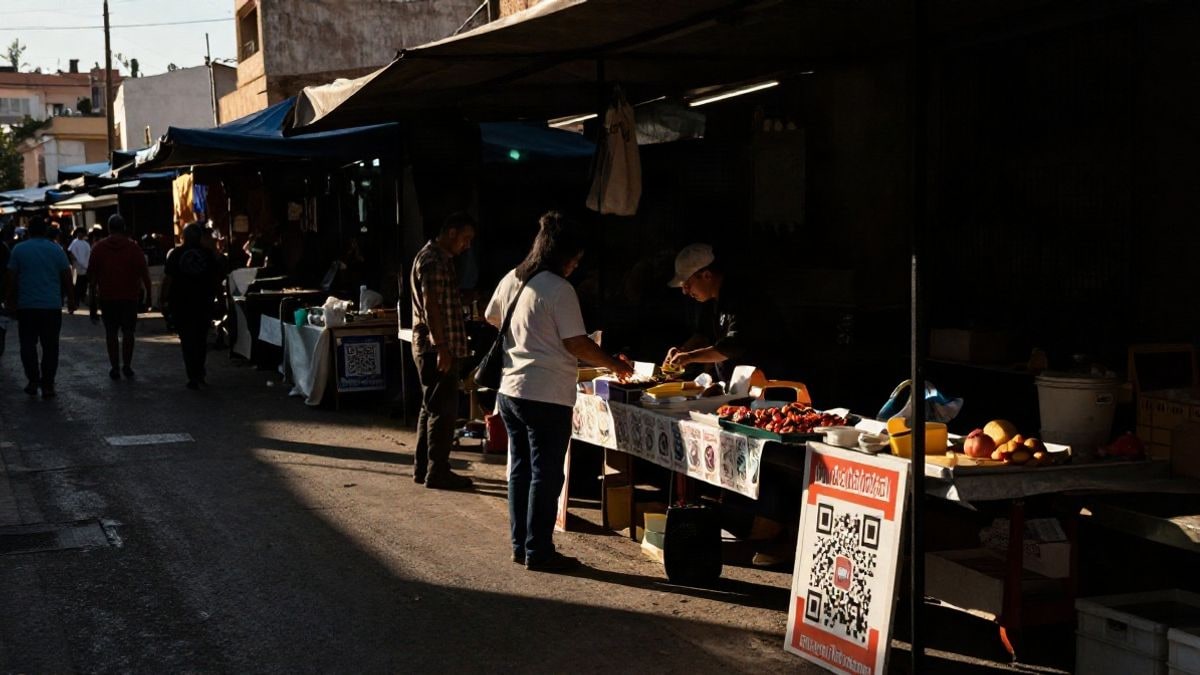
NPCI postpones the 0.4% fee on UPI transactions over ₹2,000 until after Diwali. The measure, which was to take effect on October 15, faces backlash from merchants and fintechs.
The National Payments Corporation of India (NPCI) has decided to postpone the implementation of the Merchant Discount Rate (MDR) of 0.4% on commerce transactions in UPI exceeding ₹2,000 (about 21 dollars), as reported by ecosistemastartup.com. The measure, which was to be applied from October 15, is delayed until "immediately after Diwali," with no specific date set. The UPI and NPCI Services steering committee announced the decision on October 13.
The MDR is the fee that merchants pay for accepting digital payments. The proposed scheme applies a 0.4% charge on eligible person-to-merchant (P2M) transactions over ₹2,000, with a cap of ₹300 per transaction. Person-to-person transfers remain free, and merchant payments of ₹2,000 or less do not incur MDR. Small merchants, including street vendors, who receive up to ₹1 lakh (about 1,033 dollars) per month via QR code are exempt. Additionally, there are special rates: railways, telecommunications, insurance, fuel, and agricultural supplies over ₹2,000 pay a flat fee of ₹5, and capital market transactions incur a 0.02% fee capped at ₹300.
According to a notification from the Ministry of Finance dated September 15, the government estimates that nearly 96% of commerce transactions will be exempt from the charge.
"Mobile retailers operate on thin margins and are the backbone of India's retail economy. Introducing MDR charges during the peak festive season would have been a severe blow to millions of small and medium enterprises," said Kailash Lakhyani, founder and president of the All India Mobile Retailers Association (AIMRA).
The resistance was organized. AIMRA, which represents over 150,000 mobile retailers, and the All India Consumer Products Distributors Federation (AICPDF) called for a "No UPI Day" on October 2, which they withdrew after a meeting with Finance Minister Nirmala Sitharaman on September 30. The think tank Global Trade Research Initiative (GTRI) also called for the measure to be withdrawn. Its founder, Ajay Srivastava, argued that the charge "could raise prices, compress small business profits, and weaken household demand," in addition to reducing UPI's price advantage over cards. GTRI noted that the 18% GST applicable to the MDR becomes an extra cost for unregistered businesses that cannot credit that tax.
The NPCI estimated last month that operating UPI costs around ₹200,000 million (about 2.1 billion dollars) per year, including server capacity, fraud prevention, and technical support. This cost has been absorbed by banks and payment providers, who have been seeking a way to recover it as volumes grow. In September, UPI processed 24,070 million transactions worth ₹29.37 lakh crore (about 305 billion dollars), according to NPCI data. Compared to the previous year, the volume grew by nearly 23% and the value by 18%. The daily average rose to about 802 million transactions per day, up from 791 million in August.
The governor of the Reserve Bank of India (RBI), Sanjay Malhotra, downplayed the risk: "For now, we do not see any decline in volumes. And personally, I do not believe a small fee would have a significant impact."
The new date for the implementation of the MDR will be announced after Diwali, which is celebrated on October 20 this year. Until then, Indian merchants will continue to operate without the 0.4% charge on UPI.

You may also like


