Renewables produced 56% of Spanish electricity last year, according to the International Energy Agency. However, electricity only accounts for 25% of final energy consumption.
According to Ecosistema Startup, renewables generated 56% of electricity in Spain in 2025, according to the Spain 2026: Energy Policy Review report by the International Energy Agency (IEA). The renewable share in electricity generation increased from 35% to 56% over a decade, and installed capacity doubled between 2015 and 2025, reaching 119 GW.
The rest of the electricity mix is divided into 18% nuclear, 21% natural gas, 3% oil, and 0.7% coal. Emissions fell by around 20%, and energy intensity improved by an average of 2.4% annually.
However, the agency warns that generating clean energy does not equate to using it. Electricity represented 25% of final energy consumption in 2024, ten points below the 35% set by the Integrated National Energy and Climate Plan (PNIEC) for 2030.
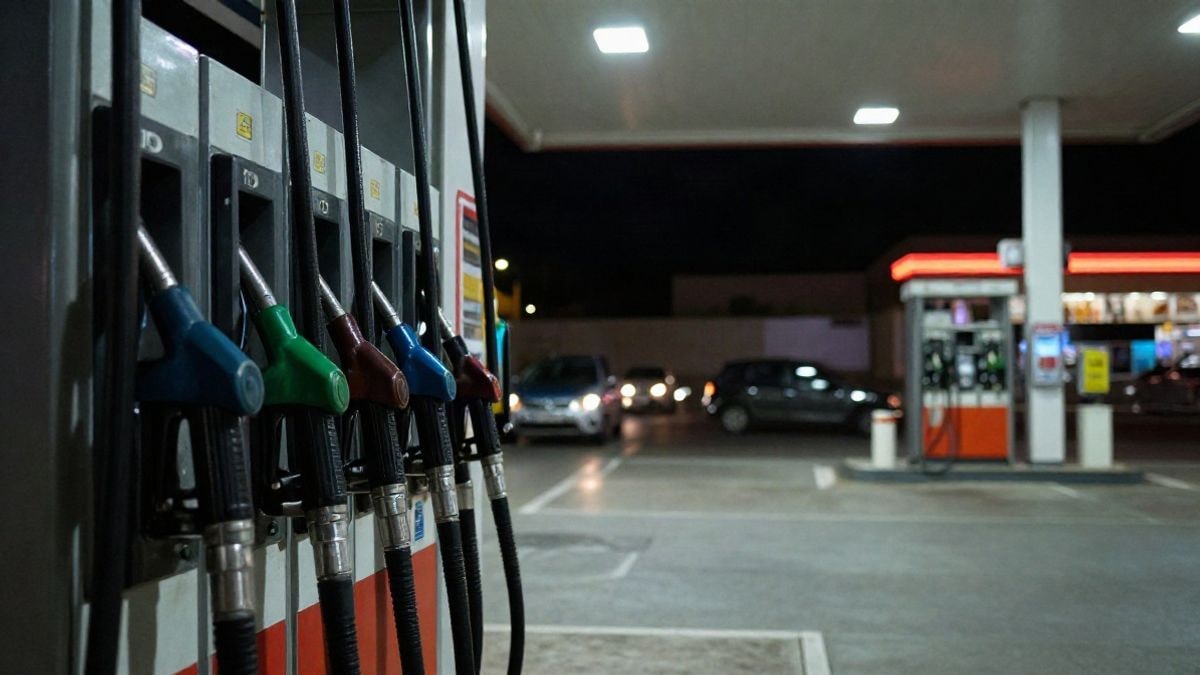
The transport sector is the most lagging. With 2% of its energy coming from electricity and 92% from oil in 2024, it generated 46% of CO2 emissions linked to energy, 7.7% more than in 2015. The IEA notes that electric vehicle progress is slow, especially in corporate fleets, and that fossil fuel heating remains widespread.
Regarding prices, the IEA indicates that taxes, levies, and network charges keep electricity bills high, while fossil fuels bear comparatively lower charges. Spain will eliminate the electricity production tax in 2026, a measure highlighted by the agency that, according to the report, should be accompanied by protection for vulnerable consumers.
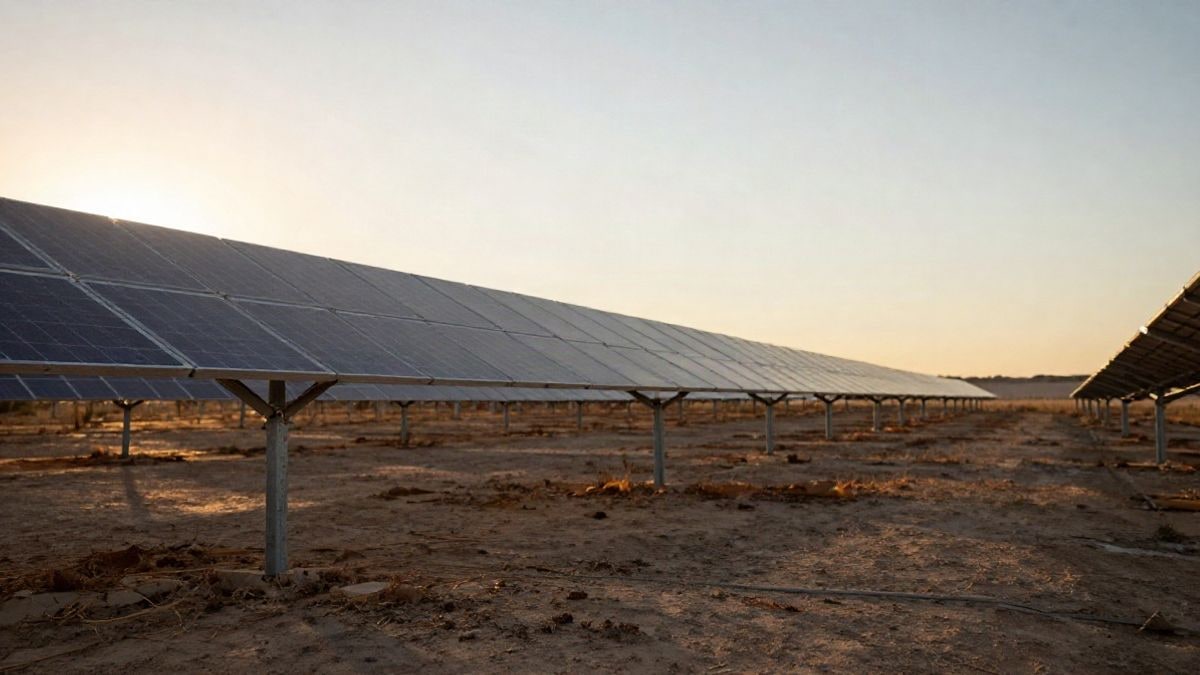
In 2025, Spain added 15 GW of renewables, its highest annual record, with 90% coming from solar photovoltaics. The IEA proposes increasing system flexibility, deploying storage, and strengthening interconnection with other countries, which it considers very limited. According to the report, without renewables, gas imports for electricity generation would have been nearly 40% higher in 2024, with an additional cost of around 26 billion dollars. Nevertheless, imports covered nearly 70% of total energy consumption that year.
The planned nuclear closure remains pending. The IEA recommends deciding on a case-by-case basis regarding the operational extension of the Almaraz plant, with a transparent framework weighing costs and benefits for consumers and the overall system.

You may also like