Spain scores 5.3 out of 10 in financial education according to the Eurobarometer, a barely passing grade that leaves us 12 points below the OECD. Only two in ten Spaniards manage to save the recommended 20% of their income.
The level of financial education in Spain is medium-low. This is reflected in the Eurobarometer from the European Commission, which gives Spaniards a 5.3 out of 10, a barely passing grade according to the EFPA (European Financial Planning Association). Furthermore, the PISA report places Spain 12 points below the OECD average, as reported by RTVE.
The need to improve these figures is urgent in a volatile and digitalised economic environment, where fraud on social media has skyrocketed and buying a home has become a financial engineering exercise for a few. Economic education is no longer a complement, but a tool for personal autonomy.
"Educating an adult in economics is more complicated, it depends on their own will, but we teachers have the immense power to achieve something invaluable: that new generations have good financial skills to be as free as possible in their future decision-making," explains Víctor Santos, an economics teacher at the Liceo Sorolla in Pozuelo de Alarcón (Madrid).
In this line, the Bank of Spain is working. Roberto España, head of the financial education division of the institution, points out that "the data shows that both adults and young people have significant room for improvement ahead." The institution's focus is on classrooms.
Since 2008, the Bank of Spain and the CNMV have been promoting the national financial culture strategy, which was later joined by the Ministry of Economy. Under the brand Finance for All, they offer guides, practical tools, and courses in schools across Spain. This year, the slogan for financial education day is "save, invest, advance".
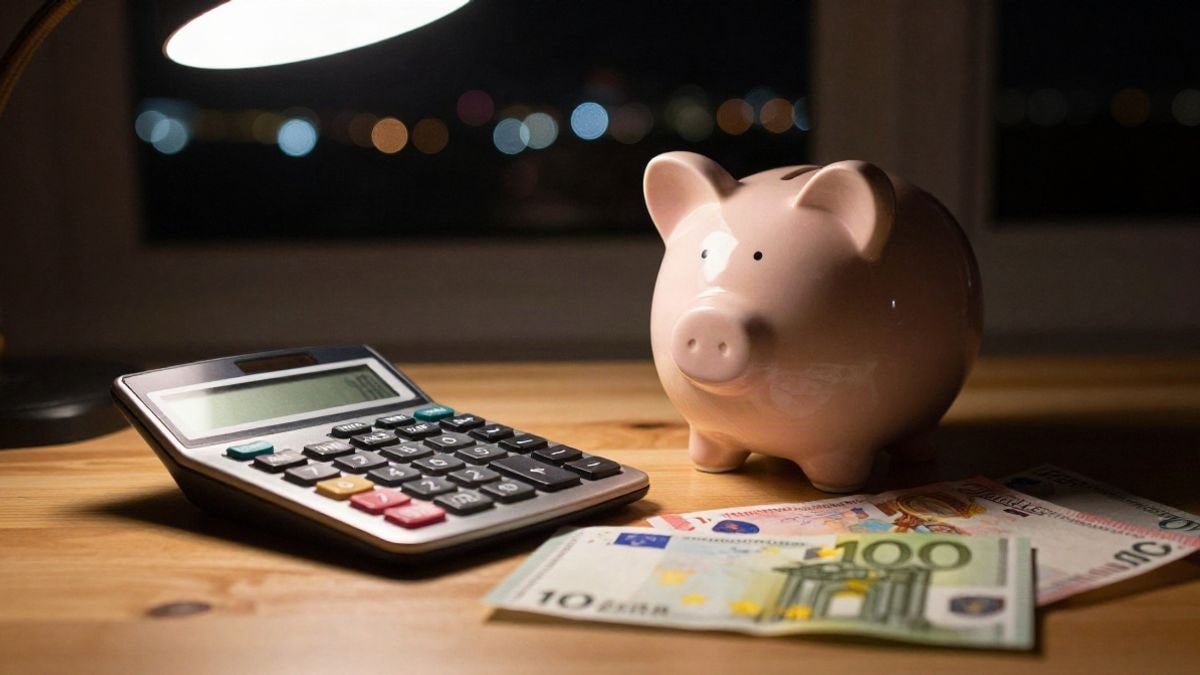
Savings data confirms the gap: seven out of ten Spaniards claim to save, according to Mapfre, but only two out of ten reach the optimal rate recommended by experts, which is to reserve 20% or more of total income. Lack of planning, low wages, debts, or rising living costs explain this difference.
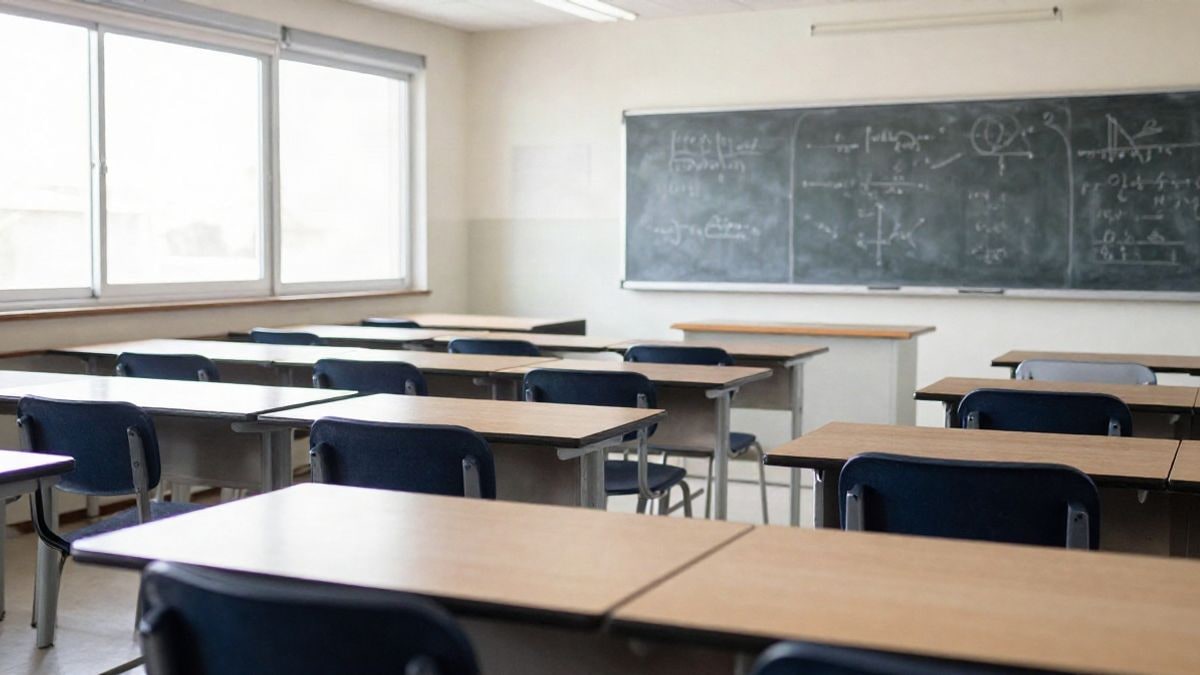
In classrooms, financial education is not mandatory. The current educational law (LOMLOE) only includes specific content in 4th year of ESO through the optional "Economics and Entrepreneurship", focused on budget management, saving, and creating business projects. Students acknowledge that saving is difficult for them. Cecilia Fernández, from 1st year of baccalaureate, admits with a laugh that "it's not what I'm best at." Martín Gallego, from 4th year of ESO, tries to save money because "having that money saved is good for my future."
Teacher Esther Prieto highlights the usefulness of the subject: in May they celebrate a business fair where students take on the role of an entrepreneur wanting to start a real business. "I am very grateful for projects like this," she assures.
You may also like