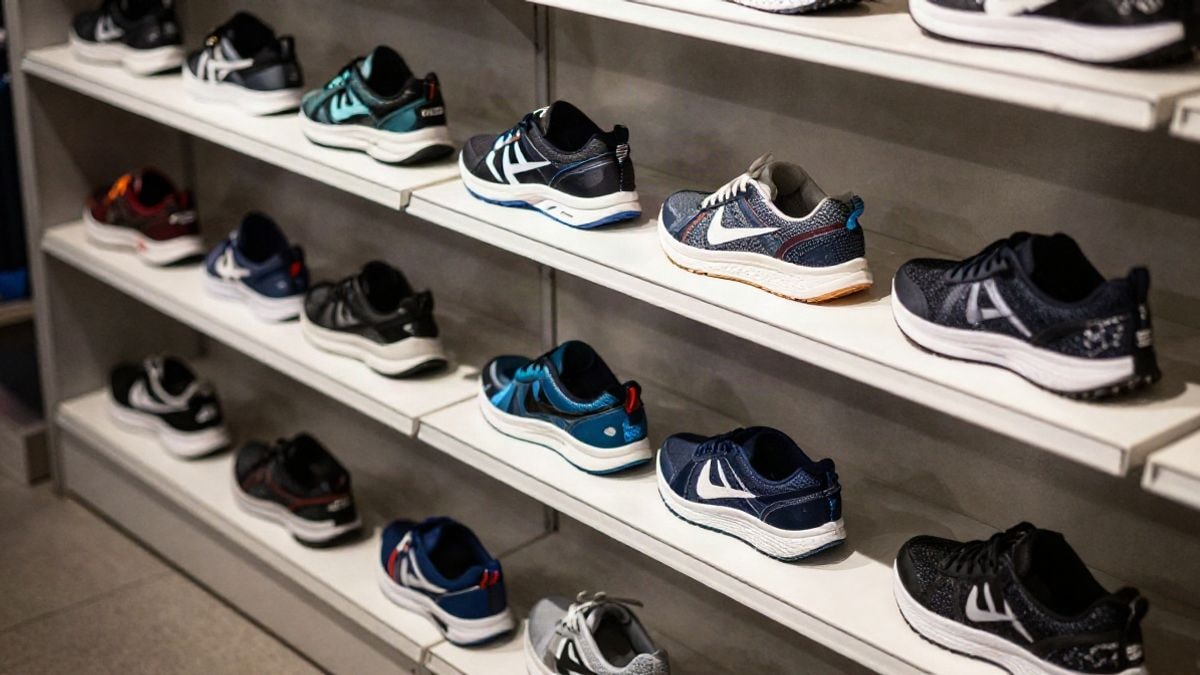
Nike exits the S&P 100 after nearly 18 years in the index. Its shares have dropped 50% this year and 80% since the highs of 2021, while consensus points to eight companies in the sector with buy recommendations.
Nike has left the S&P 100, the index that groups the 100 most valuable companies in the United States, after nearly 18 years as part of it. The American company has seen a decline of nearly 50% so far this year and 80% since its all-time highs in 2021, according to eleconomista.es.
The deterioration of its sales has led the firm to correct sharply in the stock market. The alliance with Skims, Kim Kardashian's brand, has not helped improve the results. The root of the problem lies in a change of strategy: the company focused its model on direct sales and reduced its reliance on distributors such as Foot Locker and JD Sports, as explained by experts from XTB. This move has opened up space for its competitors in retail stores.
"The change in the environment would benefit national leaders Anta and Li Ning, as it would promote a healthier pricing policy in the industry and reduce inventory liquidations driven by Nike. However, it would also raise execution demands for both companies," detail Catherine Lim and Jason Zhu, analysts from Bloomberg Intelligence.
The market consensus reported by FactSet gives a buy recommendation to eight companies in the sector spread across the globe: the Asian Anta, Xtep, Asics, and Li Ning; the European Adidas; Amer and On; and the American Wolverine World Wide.
In China, Nike's revenues in the mainland market have already fallen by 26%, and analysts from Bloomberg Intelligence expect them to continue deteriorating in fiscal year 2027. Local firms Anta and Li Ning are the ones best positioned to take advantage of this gap. Anta has also completed the purchase of a 29.06% stake in Puma from the Artémis holding of the Pinault family, owners of Kering. This operation adds to a portfolio where it already holds the rights to Fila and is the largest shareholder of Amer Sports, owner of Salomon and Wilson.
Experts from Deutsche Bank recommend buying Anta and believe it can boost Puma in the trends of the Chinese apparel and footwear market. "While Puma's franchise network and its operational experience in Western markets could support Anta's long-term international expansion," they state in their report.
Asics is another of the companies highlighted. Bloomberg Intelligence believes it can maintain the highest growth and quality of its profits in the long term thanks to its SportStyle and Onitsuka Tiger lines, and that after recent valuation declines, it trades at less demanding multiples. The entity estimates it can sustain EBIT margins (operating profit) of between 18% and 20%.
In Europe, On is one of the brands that has grown the most in recent years. JP Morgan highlights that 95% of its sales come solely from footwear and that it has managed to break into a sector with strong barriers to entry, especially in the high-end market. The firm has signed Kylian Mbappé, who until this summer was Nike's main face in football and has also become a shareholder of On alongside Roger Federer.
For investors, the key is to follow the evolution of Nike's results in China and the US market. The next milestone will be the presentation of its quarterly accounts, which will determine whether the company manages to halt the decline or if the shift in the sector consolidates.

You may also like