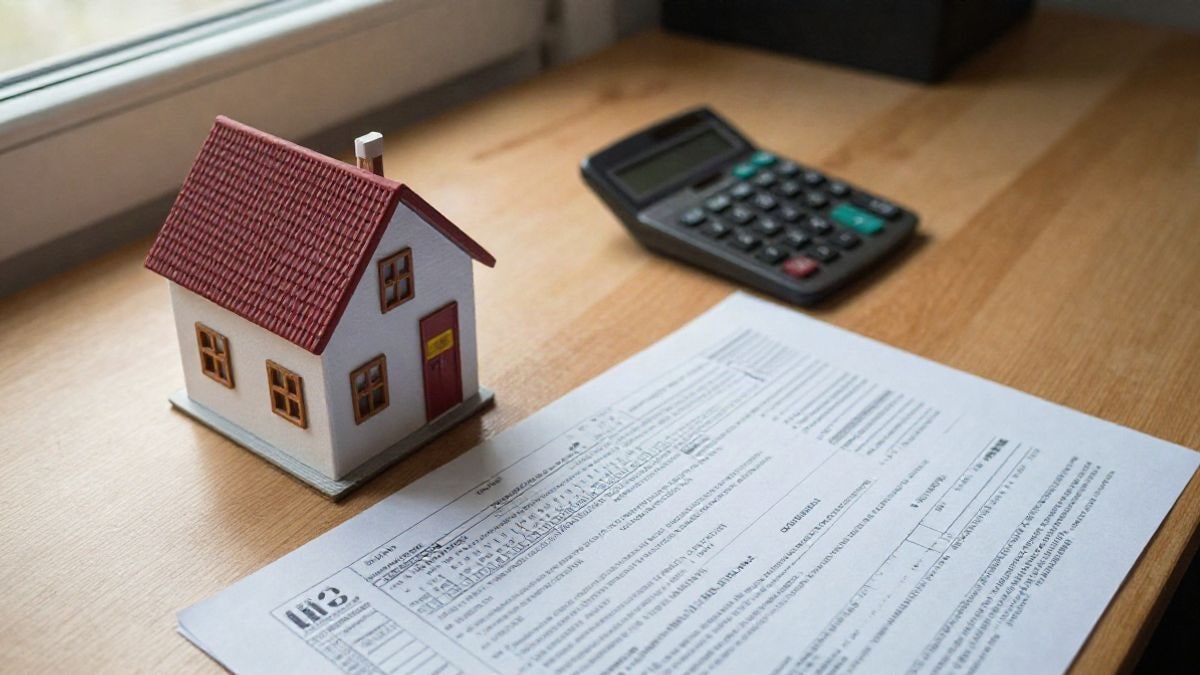
Economist Montse Cespedosa explains that the tax authority exempts donors over 65 from income tax on the transfer of their primary residence, but children still pay the donation and inheritance tax.
The General Directorate of Taxes confirms that those over 65 can donate their primary residence to their children without paying income tax, as explained by economist Montse Cespedosa in a video posted on social media, information disseminated by sport.es. The measure is supported by article 33.4.b) of the Law 35/2006 on Income Tax, which declares the capital gain exempt when the transfer of the primary residence is made by a person over 65 or in a situation of severe dependency or great dependency.
The exemption does not cover all parts of the operation. Cespedosa warns that the tax benefit is limited to the donor: "The General Directorate of Taxes specifies that this exemption only affects the donor; the children will have to pay the donation and inheritance tax." The donation tax is a regional competence, so the final bill varies depending on the community where the property is located.
The financial advisor details other requirements: "The donation must be of the primary residence and also includes severe dependency." The regulation covers both those over 65 and individuals in a situation of severe or great dependency, according to the Law on the Promotion of Personal Autonomy and Care for Dependent Persons.
According to the website of the Andalusian Government, severe dependency is defined as a situation in which "the person needs help several times a day for basic activities but does not require continuous support from another person."
Access to housing is one of the main concerns of Spaniards, especially among the younger population, leading many parents to consider lifetime donations as a way to transfer property. However, the operation involves tax payments that increase the procedure's cost and depend on the applicable regional regulations.
For those considering this option, the first step is to verify that the property constitutes the donor's primary residence and that they meet the age or dependency requirement. The capital gain will be exempt from their income tax, but the child will have to settle the donation tax in the autonomous community where the property is located, with deadlines and bonuses that vary in each territory.
You may also like