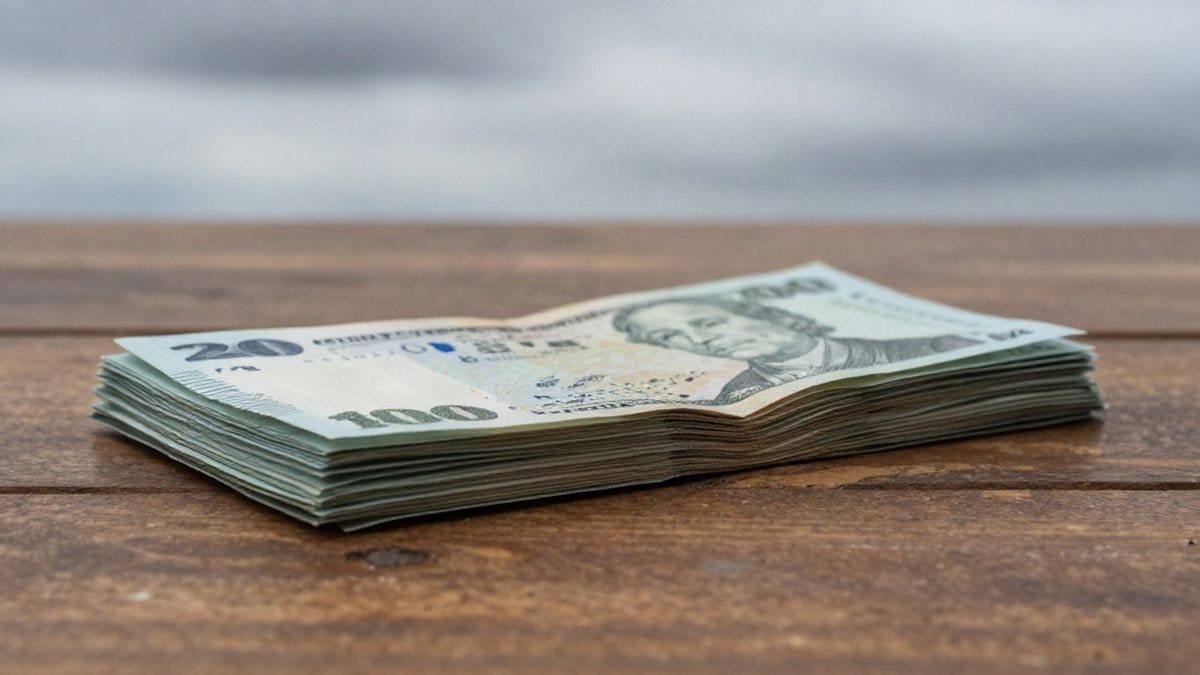
The Bank of Spain is researching a methodology called Neurocash that looks at how people see, touch, and react to a banknote. It now plans to add voice analysis.
The Neurocash methodology observes what happens when a person examines a banknote: where they focus their gaze, which areas they touch, how much effort it takes to locate a security feature, and what emotional reactions arise during the verification process. According to Infobae, the Bank of Spain is developing it in collaboration with the Laboratory of Neuroscience and Experimental Economics at the Polytechnic University of Valencia, known as LabLENI.
The institution seeks data that a traditional survey does not always capture. A person may claim that a banknote is easy to recognise, but that response does not indicate whether they had doubts, whether they had to concentrate hard, or whether the method of verification felt intuitive.
Neurocash studies visual attention, tactile perception, and users' interaction with cash. It also aims to identify conscious and unconscious responses to the features of the banknote.
The Bank of Spain clarifies that the tool does not independently decide the design of future euro banknotes. It provides studies and evidence to the collaborative work of the Eurosystem, but the final decision rests with the Governing Council of the European Central Bank.
The Occasional Document 2618 from the institution proposes to expand Neurocash with the recognition of emotions in speech. Participants would verbally respond to questions about what they have seen or touched, and a computer model would analyse the tone, rhythm, intensity, pauses, and vocal quality.
The authors argue that the way of speaking can provide signals about the mental effort required for a task or the sense of security a banknote conveys. The document does not present this technology as an infallible detector of emotions. It warns that there is no universal model for interpreting voice and that results depend on the language, the quality of recordings, the testing conditions, and the data used to train the system.
The report also does not announce the issuance of any banknotes nor does it include results from a completed experiment with citizens. It is a review of emotion recognition in speech and a proposal to incorporate it into Neurocash. The authors also note that any future use of these technologies would require guarantees, including privacy protection.

You may also like