The government's measures against rising fuel prices will cost 0.52% of GDP until September. The IMF, European Commission and ECB are calling for temporary and targeted aid.
The measures approved by the government to contain fuel prices will cost 0.52% of GDP, according to the Bank of Spain, which calculates this until September. According to El Periódico, this strategy clashes with the recommendations of the International Monetary Fund (IMF), the European Commission, and the European Central Bank (ECB), which all agree on the need for temporary aid targeted at vulnerable households and the most affected sectors.
The cost is equivalent to one fifth of the projected public deficit for 2026. Around 65% of the bill corresponds to tax cuts on energy, which also benefit consumers with greater financial capacity. The rest consists of subsidies and direct aid to the most exposed sectors.
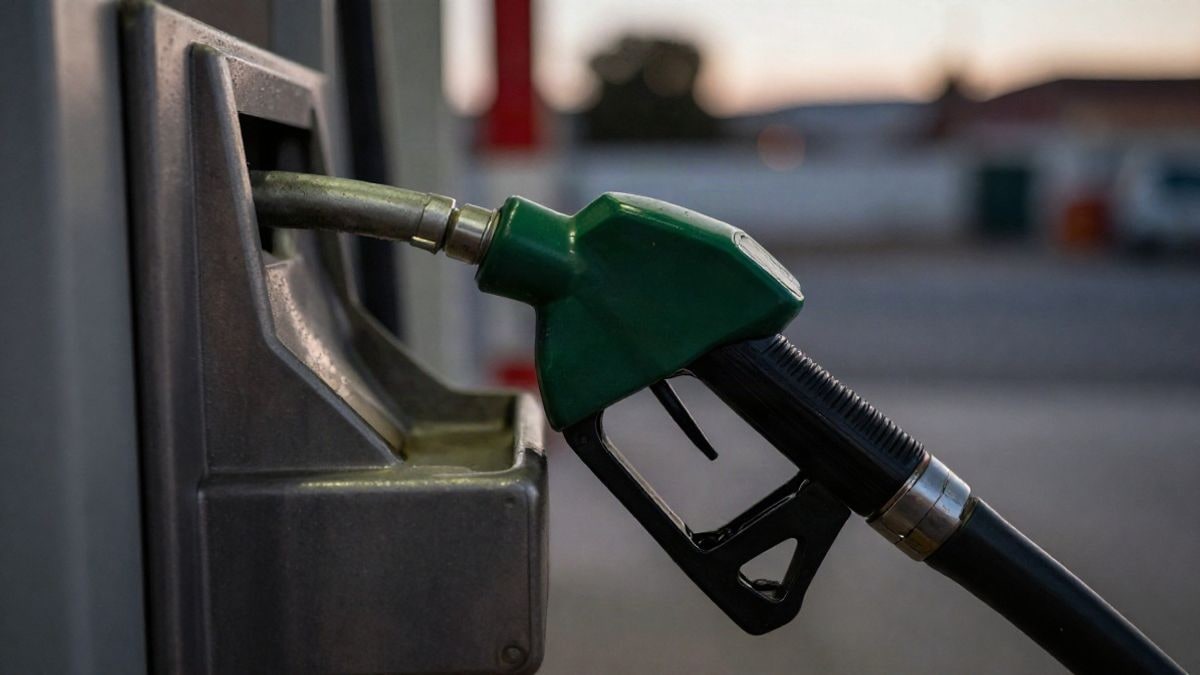
The government has extended tax cuts on petrol and diesel until December 31, with assistance of 20 cents per litre in November. The Executive aims to immediately alleviate the energy bills of families and businesses.
The IMF, in its review of the Spanish economy in May, recommended withdrawing energy support measures and reserving new interventions for a worsening of the crisis. In that case, they should be directed at transporters, farmers, fishermen, and people with social vouchers, without distorting prices.
The European Commission noted in its spring forecasts that three quarters of EU spending in response to the energy crisis was channelled through non-targeted aid, such as tax cuts on fuels. Brussels is calling for selective and temporary measures that maintain incentives to reduce demand.
The ECB warned in its August bulletin that the budgetary margin is narrower than during the 2022 crisis, following the onset of the war in Ukraine. According to its calculations, nearly 60% of the cost of the measures adopted until May corresponded to price interventions, mostly indiscriminate.

You may also like