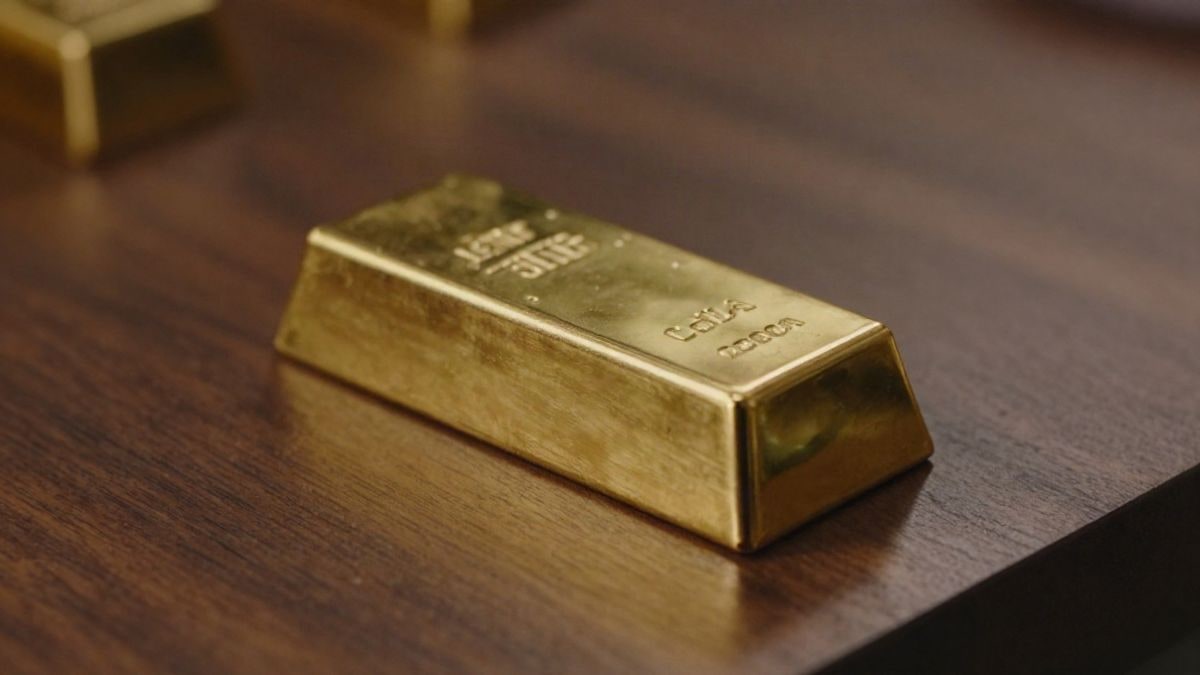
Gold recovers to $4,036 per ounce after falling to $3,990, but has accumulated a decline of 7.88% in 2026. Brent at $115 and the French risk premium at 175 basis points are putting pressure on European markets.
According to merca2.es, gold recovers to $4,036 per ounce after hitting a low of $3,990 during Friday's session. At the same time, Brent remains at $115 per barrel and the French risk premium rises to 175 basis points, a figure that the market associates with tension in European debt.
The metal closed the session down 0.57% and has accumulated a decline of 7.88% so far in 2026 and 2.62% over the last twelve months. Analysts at XTB attribute gold's poor performance to inflation, which continues to rise in major economies and pushes central banks to keep interest rates high. With elevated real rates, an asset that does not pay a coupon loses attractiveness compared to debt.
Analysts at Renta 4 argue that the decline is due to a liquidity sell-off:
“a liquidity sell-off for margin hedges and capital requirements”
According to this view, funds are selling gold to cover losses in other portfolios, and not because the metal has ceased to be a safe haven.
Carsten Menke, head of Next Generation research at Julius Baer, agrees that the pressure is not due to a loss of demand. He states that positions in products backed by physical assets show “great resilience” and attributes the pressure to Chinese investors needing liquidity following measures against holding capital abroad.
To monitor developments, weekly flows from large listed vehicles, such as the SPDR Gold Shares from State Street and products from iShares, managed by BlackRock, will be the key indicator. If redemptions accelerate, the forced sale thesis would gain weight; if they stabilise, the $4,000 level would be validated.
In the Ibex 35, Repsol and Moeve are the most sensitive stocks to the price of oil, while Iberdrola and Naturgy bear the cost of gas. In banking, Santander and BBVA face a scenario with fewer rate cuts than the market anticipated a quarter ago. In the financing sector, Cellnex and ACS, through Abertis, have assets in France and debt referenced to the French differential.

You may also like