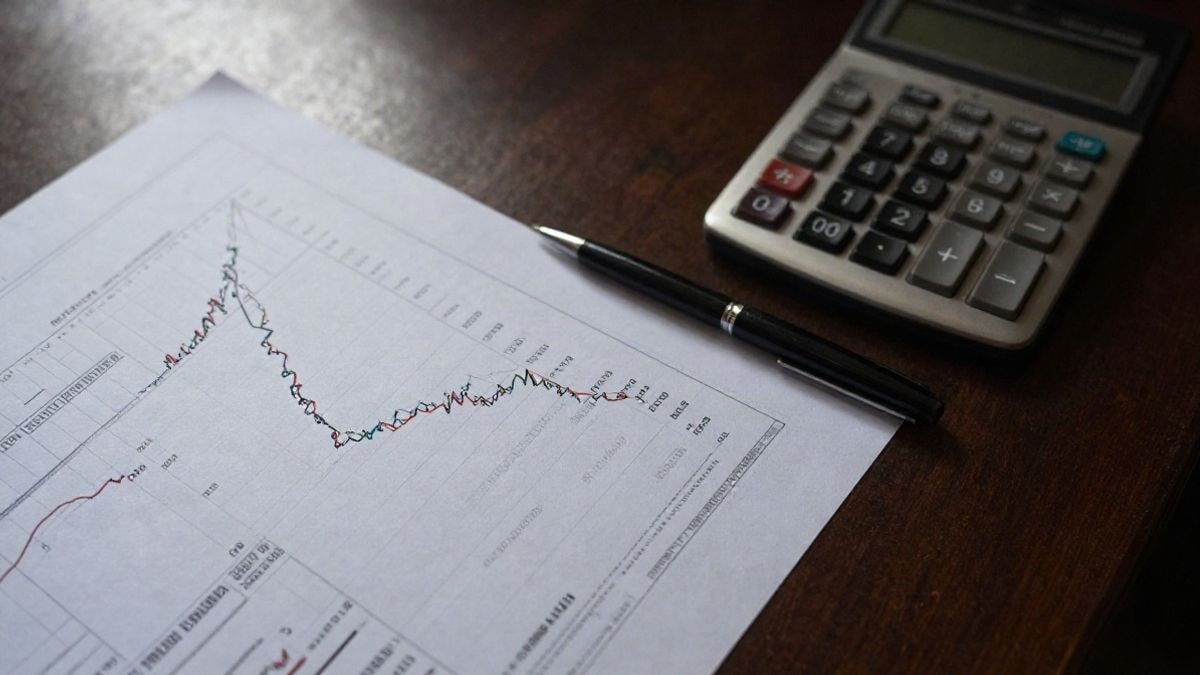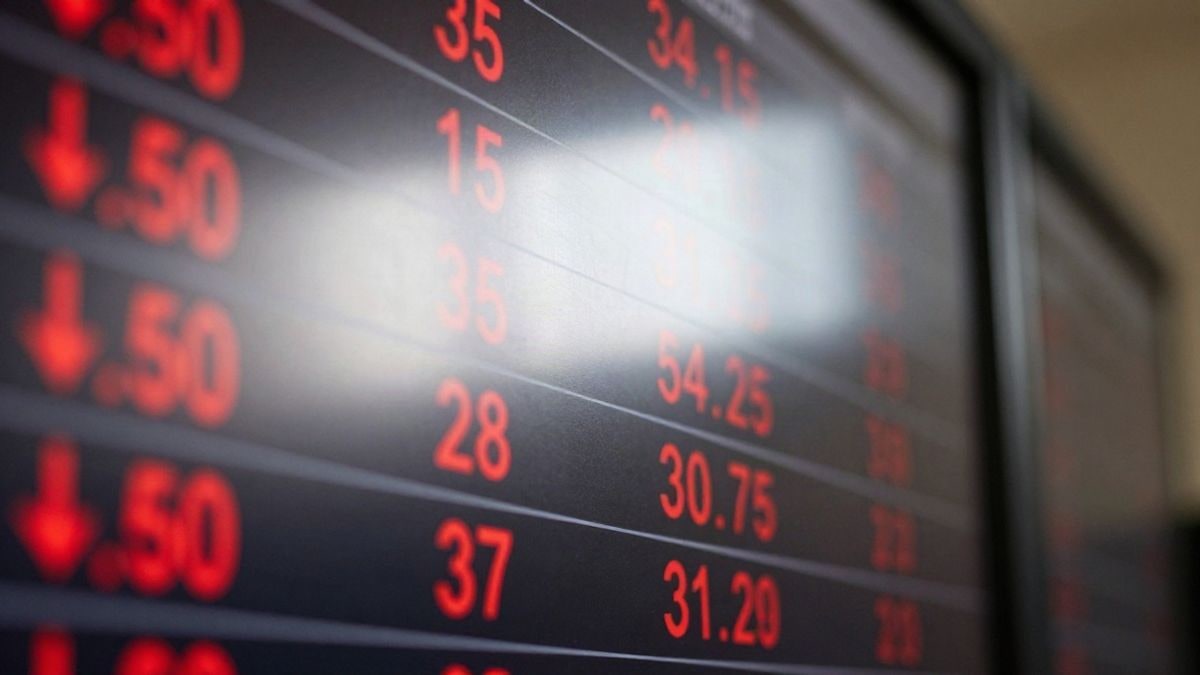
The single European currency has depreciated by 5% so far in 2026, reaching its lowest level since early 2025. The French risk premium has skyrocketed, and the ECB faces a monetary policy dilemma.
The euro has fallen to $1.12 in the early hours of this week's session, its lowest level in 17 months, according to vietnam.vn. Since January 2026, the common currency has accumulated a depreciation of approximately 5% against the US dollar, a trend that has accelerated in recent days due to concerns over France's public finances.
The chief economist for the eurozone at Oxford Economics, Ricardo Amaro, attributes the euro's weakening for much of the year to an adjustment of investor expectations regarding the Federal Reserve's interest rate policy, in a context of rising global bond yields. However, Amaro notes that the latest drop is due to growing fears of a higher fiscal risk scenario in France.
The yield on the French ten-year bond has reached 5%, a level not seen since the eurozone sovereign debt crisis. French public debt now exceeds 118% of GDP, having increased by over a trillion euros since Emmanuel Macron took office in May 2017. The annual deficit remains above 5% of GDP, well above the 3.4% with which he started his presidency.
“It is likely that policymakers will continue to monitor fluctuations in the exchange rate between the US dollar and the euro, rather than trying to directly influence the market at this time,” said an expert from Deutsche Bank.
The risk premium between French and German ten-year bonds has widened to its highest level since the sovereign debt crisis, according to Jim Reid, an expert from Deutsche Bank. Reid questions whether these movements signify the beginning of a new debt crisis in the eurozone or merely a transient episode of volatility.
The European Central Bank faces a dilemma: it must closely monitor market developments while avoiding monetary policy messages that could push French yields even higher. Amaro warns that a too-restrictive stance from the ECB would increase pressure on French debt, one of the factors weakening the euro.
The political context adds uncertainty. Although France has reached an agreement on the 2027 budget with measures to reduce the deficit, instability persists ahead of the 2027 presidential elections. In Spain, the Prime Minister, Pedro Sánchez, has called for early elections, adding a focal point for markets regarding the eurozone's third-largest economy.
A weaker euro makes European exports cheaper but raises import costs and may be passed on to final prices. With the cost of living being one of the main concerns for citizens in several European countries, the ECB is closely monitoring the inflationary impact of the depreciation of the single currency.

You may also like