The euro is trading at 1.119 dollars, 4.72% lower than at the beginning of 2026. Analysts from iBroker, XTB, Julius Baer, and iCapital highlight which Spanish listed companies and bonds benefit.
According to merca2.es, the euro is quoted at 1.119 dollars, a 4.72% decrease since the start of 2026 and its lowest level in nearly a year and a half. The single currency has already lost 7.37% from its annual high of 1.2 dollars, reached on February 27, according to the reference exchange rates from the European Central Bank.
Antonio Castelo, an analyst at iBroker, attributes the decline to four factors: a U.S. economy that is holding up better, a European economy more exposed to rising energy costs and industrial weakness, a favourable interest rate differential for the United States, and the fiscal difficulties of France, which have raised the sovereign risk premiums in the eurozone.
Manuel Pinto, head of analysis at XTB Spain, believes that the weakness of the euro, the G-10 currency with the worst performance in the last month, weighs more than the strength of the dollar. He recalls that during the last significant drop in tech stocks, the dollar did not act as a safe haven. Meanwhile, David A. Meier, an economist at Julius Baer, warns that support for the dollar, sustained by expensive oil, flows into safe-haven assets, and expectations of an aggressive Federal Reserve, could fade, giving more weight to the adverse structural factors of the euro.
For Spanish investors, a weak euro lowers export costs and increases the cost of purchasing components. Additionally, it forces a distinction between whether a company has natural currency hedging or just balance sheet exposure.
Castelo identifies five Spanish listed companies with commercial exposure to markets operating in dollars: Acerinox, ACS, Ferrovial, Grifols, and Iberdrola. His filter combines business quality, valuation, and the ability to pass on higher costs to selling prices, a criterion that, according to the analyst, weighs more than the currency itself.
Outside of Spain, iBroker sees better prospects in aerospace, pharmaceuticals, capital goods, and luxury, with examples such as Safran, Airbus, LVMH, and ASML. In all these cases, revenues are received in dollars while costs are in euros.
In the United States, Guillermo Santos, a partner at iCapital, is underweighting large tech companies and overweighting small and mid-cap companies, with a value focus on health and biotechnology. XTB prefers to capture the artificial intelligence cycle through the S&P 500 Equal Weight ETF, which spreads the risk away from the seven big names. Pinto adds Latin America as a bet for the coming months, with Brazil as a reference.
In fixed income, XTB focuses its bets on U.S. sovereign debt, with maturities of one to three years, and allows for seven to ten years for profiles with more tolerance. Castelo operates between two and five years and avoids extending duration while inflationary pressures persist. iCapital is overweighting TIPS, inflation-linked bonds, because real rates for ten years hover around 3%.
Santos suggests extending the overall duration of the portfolio but underweighting corporate debt, except for high-quality floating-rate, convertible, and high-grade ABS in euros. Castelo focuses on European investment-grade corporate credit, as long as it offers a sufficient premium over public debt. In European sovereign debt, he calls for selectivity: Spain and other peripheral issuers may offer opportunities, but with the differential, fiscal sustainability, and the risk of new rate hikes as filters.
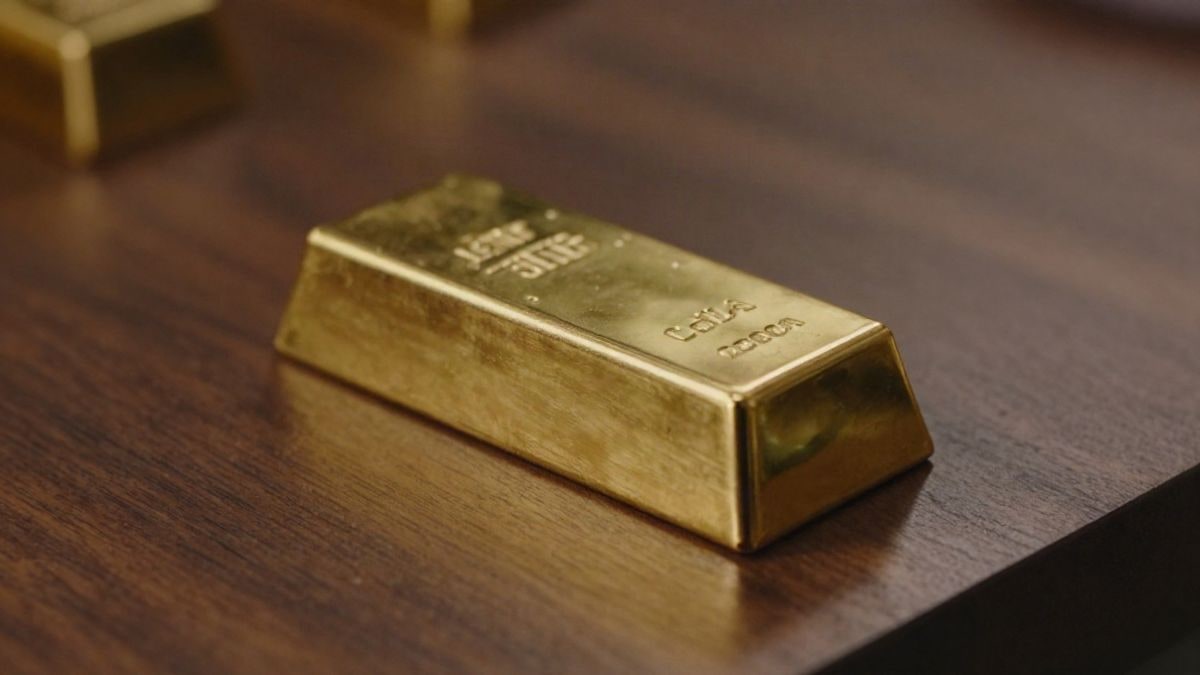
Pinto advocates maintaining gold as a structural position of up to 10% of the portfolio, and even slightly more in the current scenario, as the metal performed well during the last tech stock drop. He cites the iShares Physical Gold and Invesco Physical Gold ETFs as vehicles.
It is important to separate two concepts. A company with natural hedging earns in dollars and pays costs in euros, so the currency enters its income statement. Balance sheet exposure, on the other hand, corresponds to those with assets in the United States that appreciate in euros upon consolidation, but whose cash operates in dollars.

You may also like