The Uruguay River reaches 9.26 meters in Paso de los Libres, surpassing the evacuation mark. Producers are relocating livestock and requesting agricultural emergency due to new rains.
The rise of the Uruguay River has once again raised alarms among livestock producers in Corrientes and Entre Ríos, who since October 12 have begun relocating livestock and reinforcing preventive measures due to the risk of new floods. In Paso de los Libres, the river level reached 9.26 meters and exceeded the evacuation mark set at 8.50 meters, according to agrolatam.com. Persistent rains and the forecasts associated with the El Niño phenomenon are increasing concern in one of the country's main livestock regions.
The problem is not limited to establishments located along the banks of the Uruguay. When the river reaches high levels, streams and inland watercourses lose drainage capacity, causing flooding that advances over low fields and productive areas. Marcelo Carbonell, former president of the Rural Society of Paso de los Libres and a member of the Infrastructure Commission of the Association of Rural Societies of Corrientes (ASRC), warned that new increases in water levels could be recorded. The scenario generates uncertainty as rainfall continues and the soils are struggling to absorb new contributions.
The concern has concrete precedents. Corrientes has extensive plains where water can remain for weeks, affecting thousands of hectares designated for livestock production. Producers particularly remember the floods of 1997, which left lasting consequences on infrastructure and rural activity. In light of the current threat, many establishments have begun to concentrate animals on elevated land, incorporate supplementary feeding, and seek alternative fields. However, relocating herds involves facing higher costs for freight, feeding, and leasing, in a context where it is still impossible to determine the area that could be taken out of production.
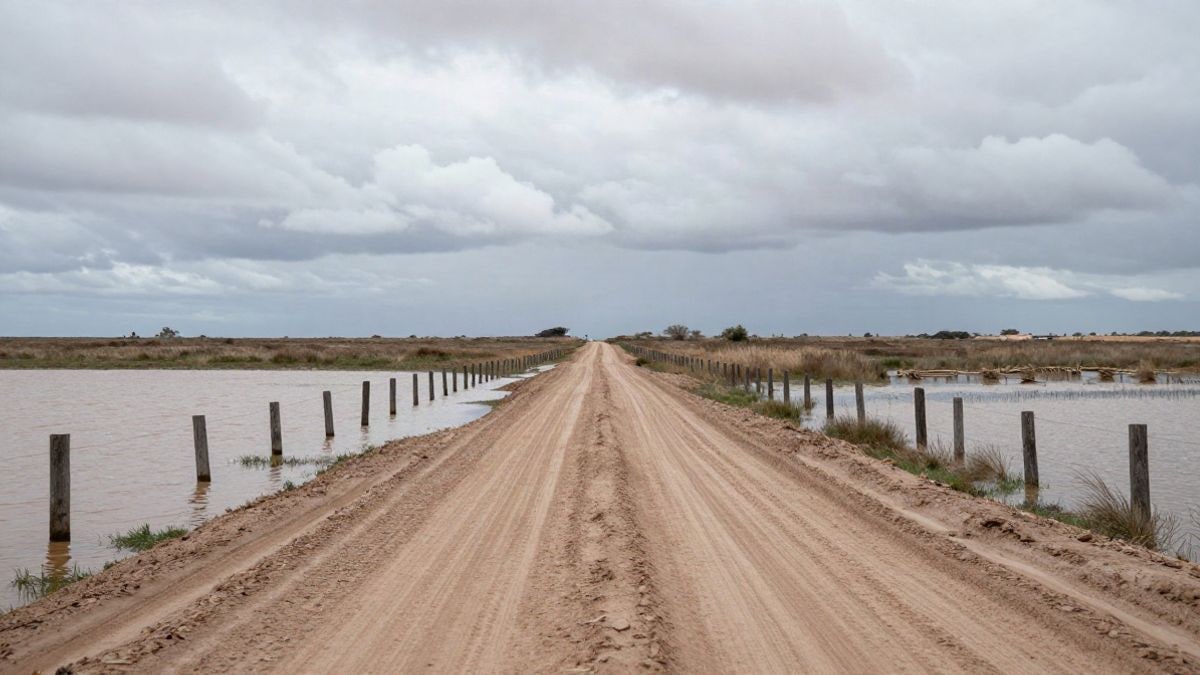
One of the biggest challenges is the condition of rural roads, which can become impassable due to soil saturation and the deterioration of drainage systems. This difficulty threatens to prevent the entry of trucks and machinery just when producers need to move livestock. Carlos Roldán, president of the ASRC, explained that the entity had warned the provincial government about the forecasts since June and that subsequent canalization works began. He also reported on efforts with Senasa to establish a protocol that would expedite the sanitary movements of animals in the event of mass evacuations and avoid administrative delays during the emergency.
Smaller producers appear to be among the most vulnerable. Unlike large establishments, many do not have sufficient resources to rent high fields, hire transport, or sustain supplementary feeding for weeks. The rural sector recommended reducing livestock load, advancing weaning, and disposing of unproductive categories before the water complicates operations. The risk is that a simultaneous evacuation could cause a shortage of trucks and increases in logistical costs. Additionally, the need to sell animals quickly could lead to transactions at unfavourable prices, affecting productive capital and the recovery capacity of the establishments.
In Entre Ríos, attention is focused on the evolution of water levels upstream and their potential impact on the islands and riverside fields. Producer Raúl Sobrero noted that he has not yet observed a widespread movement of animals, although there are preventive movements of certain categories. According to his estimates, the rise could take around 20 days to affect the Isla del Ibicuy area in the southern province. The delay between the records of the upper courses and their impact downstream fuels uncertainty. Sobrero warned that some producers might be underestimating the risk after months of forecasts anticipating unfavourable conditions.
The situation has also opened an institutional front. The Islera Community Civil Association has requested the declaration of agricultural emergency due to the possibility that numerous producers will have to dispose of their herds because of the flooding of low fields and islands. The organization warned about the risk of forced sales and the economic and tax consequences that those affected could face. In parallel, rural entities insist on the need to anticipate decisions, keep access operational, and coordinate sanitary and logistical responses. The impact of the rise will not only depend on the height the river reaches but also on how long the water remains over productive surfaces.
For the livestock farming of the Litoral, the challenge goes beyond saving animals from a specific flood. The loss of pastures, higher feeding costs, transportation difficulties, and the eventual need to sell livestock prematurely can compromise the results of the entire production cycle. Prevention, water infrastructure, and coordination between producers and public agencies will be crucial to reduce losses. While the Uruguay River keeps Corrientes and Entre Ríos on alert, the sector faces a race against time: to move herds before the water covers the roads.

You may also like