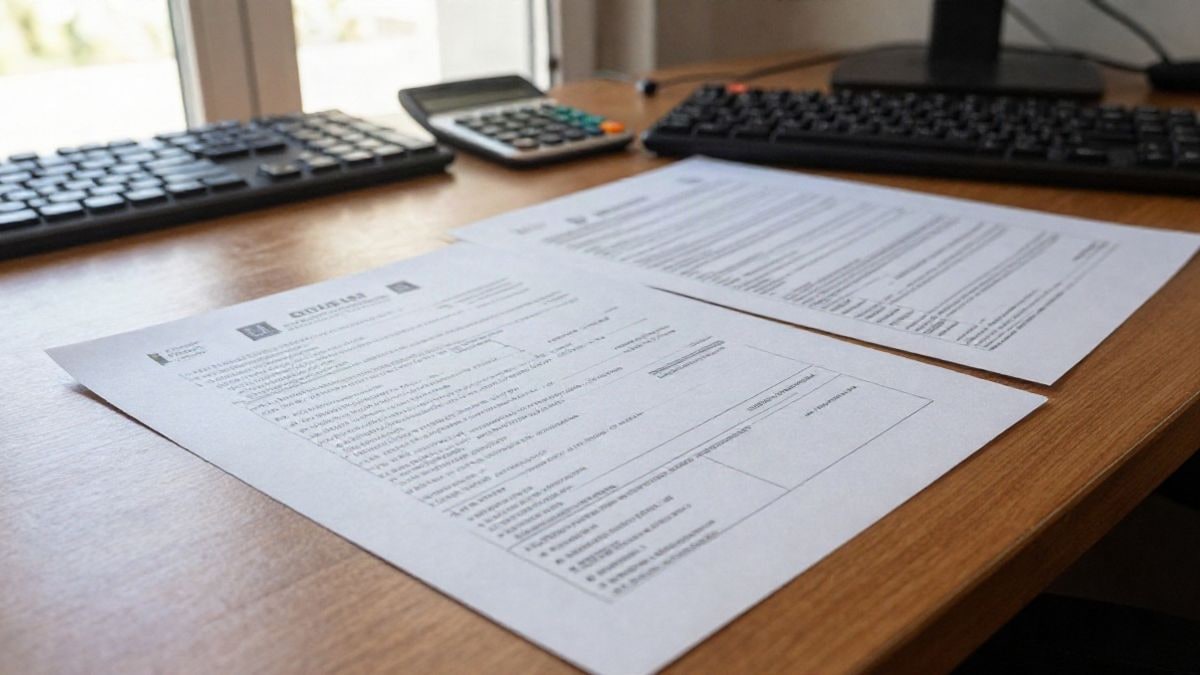
The Model 303 VAT is one of the most important procedures for businesses and freelancers in Spain. It is the declaration of value-added tax that must be submitted periodically to the Tax Agency, and its correct compliance is essential to avoid penalties and maintain a proper tax situation.
Any business or professional engaging in economic activities and required to charge VAT must submit Model 303. This document allows the taxpayer to regularise their position regarding VAT: collecting the tax charged to customers, deducting the tax paid on purchases and investment goods, and settling the difference. Although many small businesses believe they do not need to do this, the reality is that the regulations are clear, and non-compliance has consequences.
Who must submit Model 303?
The obligation to submit Model 303 VAT affects all taxable persons of the tax: businesses, professionals, freelancers, and individuals engaging in economic activities. The main exception is taxpayers under the objective estimation regime (modules) who choose not to tax under the normal VAT regime, although even in these cases there are exceptions that require submission.
Some small entrepreneurs with very low turnover are also exempt, although this exemption has specific limits and conditions. It is important to verify personal circumstances with an advisor or consult directly on the Tax Agency's website, as regulatory changes are frequent, and ignorance is not a valid excuse for non-compliance.
Submission deadlines
The deadline for submitting Model 303 depends on the chosen frequency. Most businesses and freelancers submit quarterly declarations, due on the 20th of the month following the quarter being declared. For example, the declaration for the first quarter (January-March) is due on April 20.
Some taxpayers, especially smaller ones, may opt for monthly submissions. In this case, the deadline is the 20th of the month following the declaration period. There is also the possibility of choosing annual submission, although this is less common and requires meeting certain turnover requirements.
It is crucial to adhere to these dates. Late submission automatically incurs a penalty for delay, starting at 5% of the amount due and potentially reaching 20% if the delay exceeds 12 months. Additionally, during that time, late interest accrues, increasing the tax debt.
How to calculate Model 303
The calculation of Model 303 is relatively straightforward but requires precision. It starts with the VAT charged, that is, the tax that the business has collected from its customers on issued invoices. This amount is then reduced by the VAT paid, which is what has been paid on purchases, services, and investment goods.
The difference between these two amounts is the amount to be paid or, if negative, the amount to be refunded. If the VAT paid exceeds the charged VAT (a common situation during investment periods or with low seasonal activity), the business has the right to request a refund of that excess.
There are limited deductions by regulation: VAT on certain services (such as insurance or financial services), some representation and travel expenses, and vehicles for personal use are not deductible. Confusing these limitations is one of the most common errors when preparing the declaration.
Submitting Model 303
For years, the submission of Model 303 has been exclusively electronic. It cannot be submitted in person or on paper at the Tax Agency offices. Taxpayers must do this through the Tax Agency's website or via certified software compatible with the system.
Most businesses use the services of a tax or accounting advisor, who carries out the procedure on their behalf. For this, they must have electronic powers granted by the taxpayer. Freelancers and small entrepreneurs can also submit the declaration directly if they have a digital certificate or access through other credentials accepted by the Agency.
The process is relatively quick: once correctly filled out, submission takes seconds. However, it is essential to review the data before sending, as subsequent modifications require special processing and can lead to administrative issues.
Common errors and how to avoid them
One of the most common errors is not updating the database of issued and received invoices before calculating Model 303. Pending invoices, forgotten or misclassified operations can completely distort the declaration. Therefore, it is advisable to have an accounting system updated continuously, not just at the end of the quarter.
Another typical mistake is the improper inclusion of non-deductible expenses in the VAT paid, such as fuel for personal use vehicles, meals and drinks that exceed regulatory limits, or VAT on services that the law expressly prohibits deducting. Carefully reviewing documentation helps avoid subsequent corrections.
It is also common to confuse Model 303 with other obligations, such as the annual VAT summary (Model 390), which is submitted at the end of the year. Both are independent and mandatory procedures, although complementary.
Impact of digitalisation
The Tax Agency has increased its controls over the data declared in Model 303, comparing figures with electronic invoicing records and information provided by third parties (suppliers, clients). Therefore, accuracy and consistency between different tax procedures are now more important than ever.
Taxpayers declaring figures that deviate significantly from their historical patterns, or that present discrepancies with the information held by the Administration, may be subject to inspection. Keeping documentation organised and accessible is the best way to respond to any request.
In conclusion, Model 303 VAT is not a secondary procedure but a pillar of tax compliance. Its correct and timely submission avoids penalties, interest, and problems with the Tax Agency. Regardless of the size of the business or enterprise, having professional support is often the most profitable investment to ensure everything is in order.

You may also like