Economist Federico Varona warns that flexible retirement creates two payers (Social Security and the company) and the tax return usually results in a payment. He recommends increasing monthly withholdings to avoid surprises.
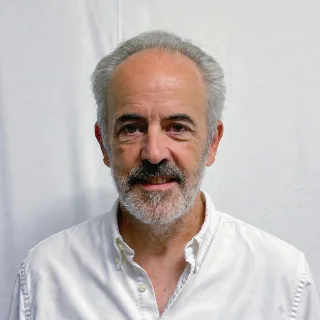
The flexible retirement allows pensioners to combine their pension with part-time work, but it carries a fiscal consequence that many retirees overlook. Economist Federico Varona, managing partner of Varona Legal & Numbers, has issued a warning on the programme Les notícies del matí, from the À Punt network, as reported by lideractual.es: 'Beware of the tax office because there will be two payers.'
Varona explains that Social Security and the company apply withholdings on the pension and salary independently, without considering the other income. When filing the tax return, the Tax Agency adds both incomes and calculates the income tax bracket based on the total. Since the monthly deductions were insufficient, the settlement usually results in a payment: 'Normally, that income will result in a payment,' the expert points out.
This situation surprises retirees who previously received refunds or neutral results. The difference is due to the fact that part of the tax was not withheld month by month and remains pending payment in the annual return.
The regulations require that part-time work in flexible retirement must involve a workload of between 33% and 80% of that of a full-time worker. During this period, the pension is proportionally reduced according to the time worked. From 1 October 2026, following the reforms approved in August, this modality has been extended to certain cases of self-employed individuals and incentives for employees have been improved, allowing them to receive additional increases of between 15% and 25% in their subsequent benefits based on the periods contributed.
'It is a work contract that I can cancel whenever I want,' Varona emphasises.
Upon terminating the employment relationship, Social Security restores 100% of the pension and recalculates the final amount with the new accumulated contributions. The economist describes flexible retirement as 'a good measure' and 'absolutely necessary' to adapt the labour market to the increase in life expectancy.
To avoid unfavourable adjustments, Varona recommends requesting in writing from the company or Social Security to apply a higher withholding percentage on the monthly payslips. This way, the retiree spreads the tax burden throughout the year and avoids a large payment when filing the return.
You may also like