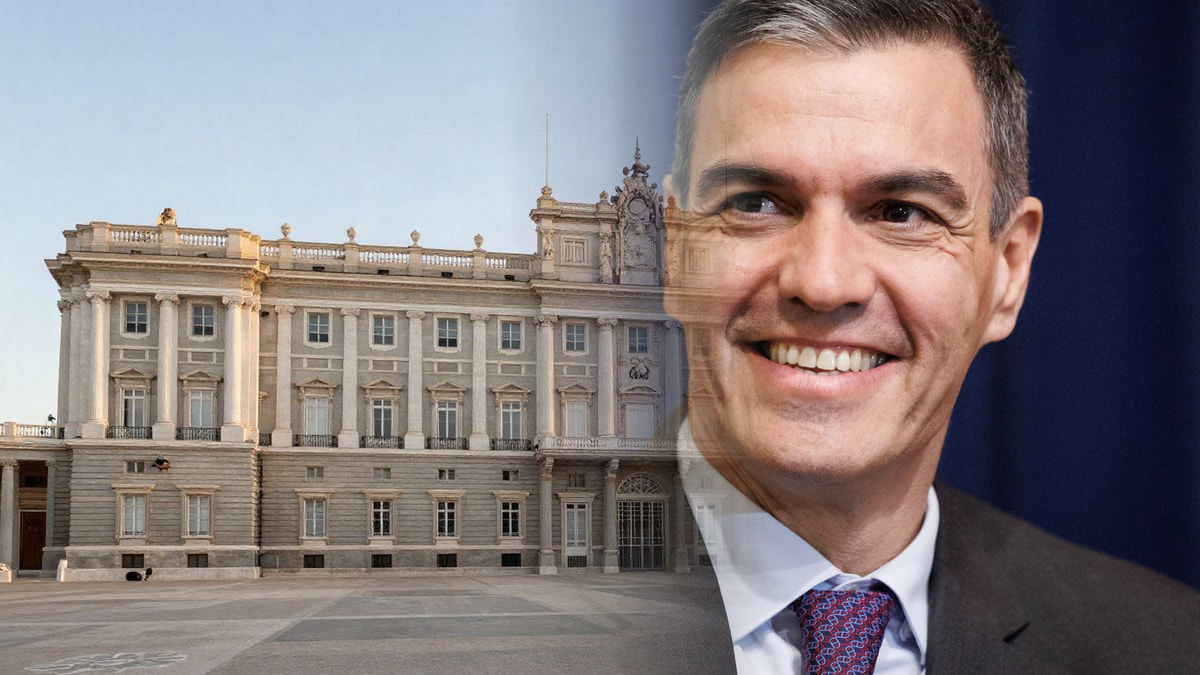
The Governor of the Bank of France believes that the country cannot negotiate Lagarde's succession with unresolved public finances. Lagarde will leave the presidency on February 7, 2027.
According to merca2.es, Emmanuel Moulin, Governor of the Bank of France, has warned that his country cannot face the negotiation of the ECB succession with public accounts unaddressed. For Moulin, deficit reduction must be the prerequisite for any discussion about the next president of the central bank.
Moulin spoke at an event alongside Luis de Guindos, former Vice President of the ECB, and José Luis Escrivá, Governor of the Bank of Spain. The three agreed that the French economy is the most concerning within the eurozone.
Christine Lagarde will leave the presidency of the ECB on February 7, 2027, and her early departure has already opened negotiations to renew the leadership. The names most frequently mentioned are Pablo Hernández de Cos, from Spain, and Klaas Knot, from the Netherlands. The appointment is being politically negotiated among the Twenty-Seven and the members of the ECB's Governing Council.
France has raised taxes, like other partners, but its economy is growing at 0.4%, a figure that the market considers insufficient. The French risk premium has risen from 0.8 to 1.6, which represents 160 basis points since September. The French Treasury is now paying double the differential compared to three months ago.
In his speech, Moulin referred to next year's elections:
All candidates need to realise that deficit reduction is essential.
Moulin also warned that excessively expansive fiscal policy could force monetary policy to compensate, which would shift part of the cost of French debt to the rates set by the ECB.
The three central bankers agree that interest rates will go through a fragile period, with strong investment demand linked to new technologies, defence spending, and climate transition. According to their scenario, money will be more expensive than anticipated a year ago. Escrivá also acknowledged that there is a geopolitical space beyond the reach of any central bank.
European banking is recording record profits and solid capital ratios, meaning that the risk has shifted towards public finances. The ECB can buy debt and adjust rates, but it cannot approve national budgets. For the central scenario from Frankfurt, Europe is expected to grow around 2% and rates will be more manageable than in 2023, although wages may end up bearing the adjustment.
The profile of the successor also matters. If the succession falls to Hernández de Cos or Knot, the ECB would maintain the technical profile of the last decade.

You may also like